
Peak Season Is No Longer a Volume Problem
Peak season planning for 2026 will not be solved by adding warehouse labor, booking freight earlier, or carrying more safety stock. Those measures still matter, but they do not address the larger issue: demand is less predictable, recovery capacity is tighter, and service failure is more visible.
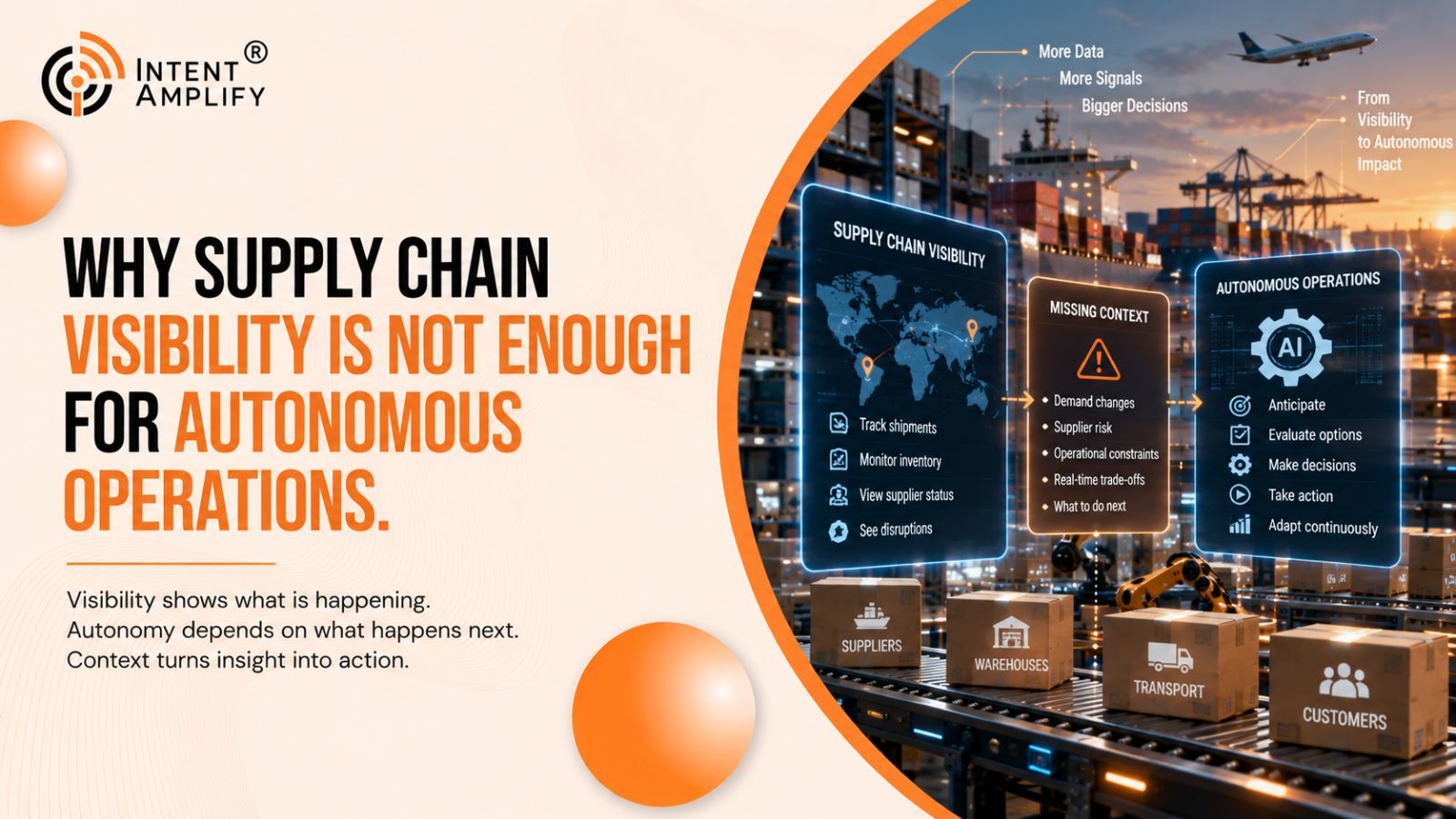
Gartner predicts that 70% of large organizations will adopt AI-based forecasting to predict future demand by 2030. The significance is not simply that more enterprises will use AI. Forecasting is moving from a periodic planning exercise toward a decision system that connects demand signals with inventory, fulfillment, transportation, and risk exposure before execution windows close. [1]
For senior leaders in operations, IT, fulfillment, logistics, inventory, transportation, and warehouse functions, the question is no longer, “What will demand be?” It is, “What decisions must change if demand, capacity, or supply assumptions move against us?”
Intent Amplify Perspective
Peak season readiness is no longer defined by forecast accuracy alone. According to Intent Amplify research and analysis, organizations will differentiate by how quickly they convert demand signals into governed decisions across inventory, logistics, fulfillment, and service continuity.
AI forecasting improves visibility, but resilience depends on decision ownership, scenario planning, escalation rules, and cross-functional execution.
Why Static Planning Is Losing Precision
Traditional peak season strategy depended on historical demand curves, promotion calendars, supplier lead times, and carrier commitments. That baseline still matters, but it struggles when demand shifts by region, channel, product category, event, and service expectation.
Deloitte forecasts that U.S. holiday retail sales would reach $1.61 trillion to $1.62 trillion in the 2025 November-to-January period, with growth of 2.9% to 3.4%. At first glance, that appears manageable.
The operational implication is more complex: moderate aggregate growth can still create pressure when demand concentrates into shorter delivery windows or inventory sits in the wrong node. [2]
Digital channels intensify that pressure. Deloitte also expected e-commerce holiday sales to grow 7% to 9% year over year, reaching $305 billion to $310.7 billion. For logistics teams, this means more demand moves through channels where customer promises are explicit, delivery exceptions are visible, and returns can distort inventory availability. [2]
AI Forecasting Must Feed Scenario Planning
AI demand forecasting creates business value when it strengthens operational preparedness rather than reporting demand trends alone. Forecasts that quantify expected order volumes provide useful planning inputs. Greater enterprise value comes from identifying the fulfillment centers, transportation lanes, suppliers, product categories, and customer commitments most exposed under changing operating conditions.
Scenario planning transforms those insights into operational readiness. Regional demand surges, inbound shipment delays, carrier constraints, supplier disruptions, and weather-related events can be evaluated before peak season to identify vulnerable assumptions, quantify potential business impact, and determine appropriate mitigation strategies.
Execution priorities vary by industry.
Healthcare organizations manage inventory decisions that influence continuity of patient care. Automotive manufacturers balance parts availability against production schedules and dealer commitments. Media and entertainment businesses experience concentrated demand around content releases and live events. Consumer goods manufacturers depend on reliable fulfillment during compressed promotional windows where delivery performance directly influences revenue and customer loyalty.
Intent Amplify Research Desk Observation
According to Intent Amplify research and analysis, AI forecasting creates value only when it feeds scenario planning and accountable execution.
Peak season risk often emerges when demand volatility, supplier delays, carrier limits, and inventory imbalance converge. The next maturity step is connecting predictive insight with operational decisions before execution windows close.
Logistics Risk Has Become a Forecasting Variable
The external risk environment makes logistics risk management a core planning input. The World Economic Forum’s Global Risks Report 2026 identifies geoeconomic confrontation as the top risk for the year, followed by interstate conflict and extreme weather. For North American and European supply chains, those risks appear as tariff exposure, port disruption, regional weather events, cross-border volatility, and supplier concentration concerns. [3]
Transportation capacity also leaves limited room for late correction. The Bureau of Transportation Statistics reported that U.S. transportation and warehousing employment remained near an all-time high at 6.6 million workers in 2025, despite a marginal 0.2% decline from 2024. The data suggest limited surge capacity. There is not a large cushion of unused labor or capacity waiting for peak season. [4]
For 2026, freight and transportation planning should move upstream. Carrier reliability, lane exposure, port dependency, warehouse throughput, and labor availability should influence demand reviews before allocation decisions are finalized.
Operational Resilience Is the Real Planning Objective
Operational resilience requires a different planning posture because the real test is not whether the forecast was accurate but whether the organization can continue meeting critical commitments when assumptions change.
Gartner forecasts that supply chain management software with agentic AI capabilities will grow from less than $2 billion in 2025 to $53 billion by 2030. The spending forecast points to a broader shift toward systems that recommend actions, compare trade-offs, and coordinate workflows across planning and execution. [5]
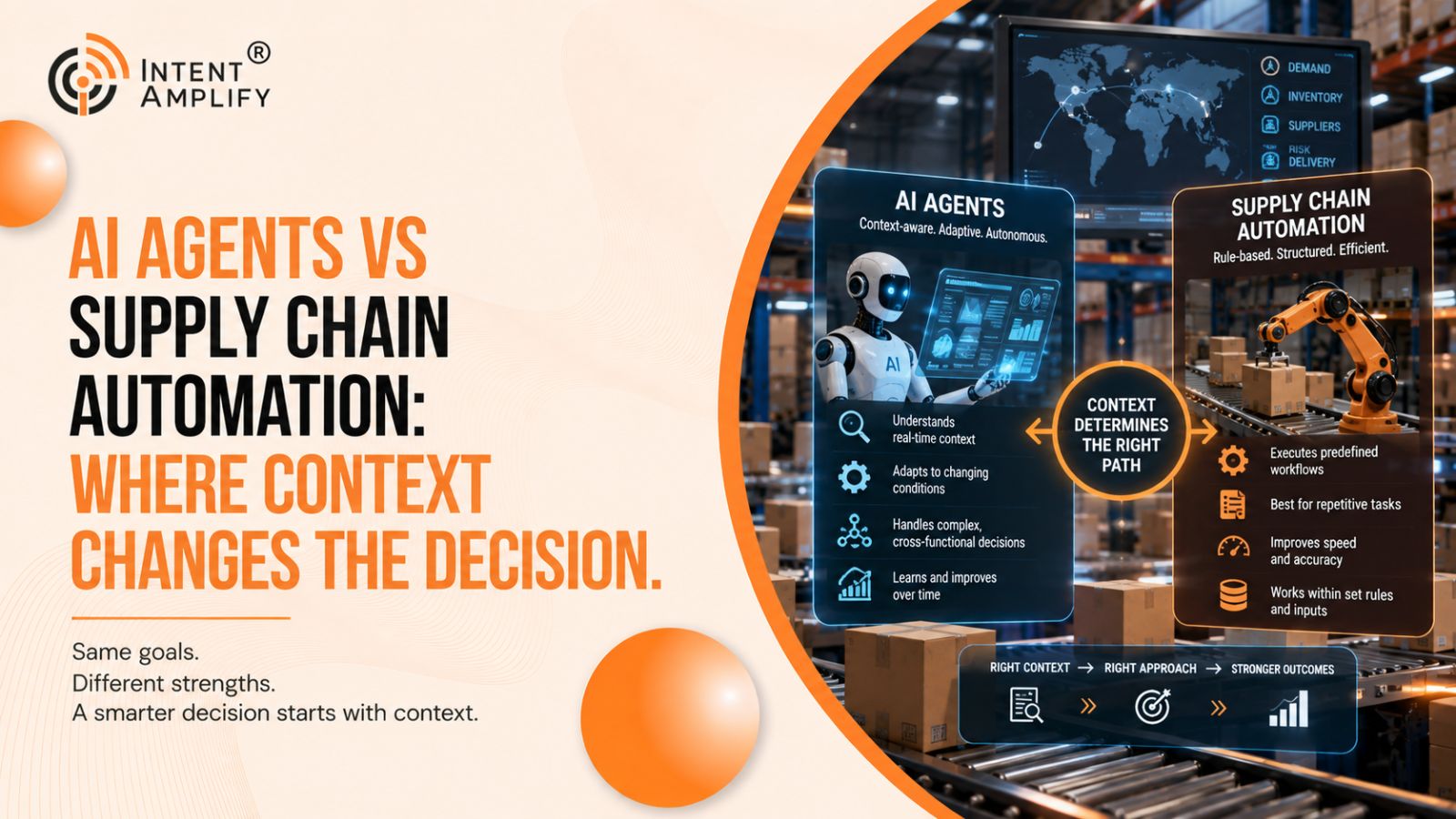
Still, AI-enabled planning needs governance. Leaders should define who can approve model-driven recommendations, which exceptions require finance or commercial review, and how service-level trade-offs will be managed when inventory is constrained. Without that operating model, AI may improve signal detection without improving execution.
Intent Amplify Operational Resilience Framework
Demand Intelligence
Detect demand shifts by region, channel, product, and service commitment.
↓
Scenario Planning
Test demand surges, supplier delays, carrier constraints, labor gaps, and weather exposure.
↓
Inventory Governance
Define which products, regions, customers, and commitments require protection.
↓
Logistics Risk Management
Assess carrier reliability, lane exposure, warehouse throughput, and transportation capacity.
↓
Decision Accountability
Assign owners, thresholds, escalation paths, and approval rules.
↓
Outcome
Forecasting insight becomes governed action, faster mitigation, and stronger service continuity.
Pressure-Test Peak Season Assumptions Before Execution
Peak season planning now requires leaders to pressure-test demand, capacity, inventory, and disruption assumptions before execution windows close. This webinar examines what shippers, analysts, and AI models are predicting for 2026, with practical insight for teams building a stronger peak season strategy across forecasting, logistics planning, and resilience.
A Practical Planning Checklist for 2026
- First, connect demand planning to execution constraints. Forecasts should incorporate inventory availability, supplier reliability, fulfillment capacity, carrier performance, and regional risk.
- Second, run scenarios before capacity is locked. Test demand surges, port disruption, weather exposure, labor shortfall, supplier delay, and carrier underperformance early enough to change purchasing, allocation, and transportation decisions.
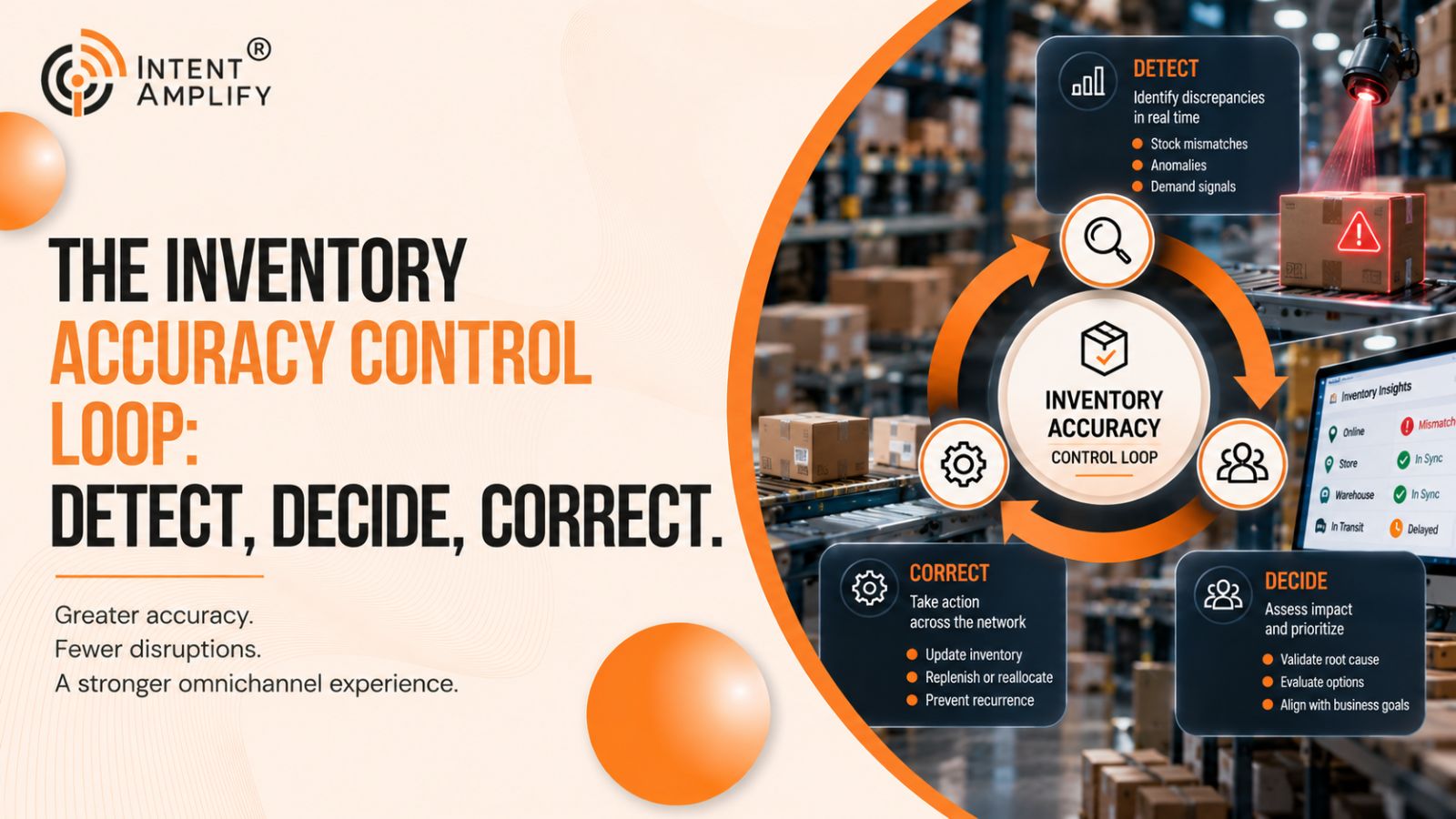
- Third, make inventory planning service-aware. Inventory optimization should identify which products, customers, regions, and commitments require protection when supply is limited.
- Fourth, define forecast accountability. Every material forecast change should have an owner, a threshold for action, and an escalation path. Insight without ownership rarely survives peak pressure.
Companion OEIIR Analyst Brief: Peak Season Operational Resilience 2026
Outlook: Peak season pressure is shifting from volume management to decision resilience.
Evidence: AI forecasting adoption, holiday retail growth, e-commerce pressure, logistics risk, transportation labor constraints, and agentic AI investment all point to a more complex planning environment.
Implication: Forecasting value depends on scenario planning, inventory governance, logistics risk visibility, and decision accountability.
Executive Question: Can the organization act before demand, capacity, or supply assumptions move against it?
Recommended Action: Pressure-test peak season assumptions across demand, inventory, fulfillment, transportation, supplier exposure, and escalation ownership.
Peak Season Operational Resilience Readiness Assessment
Peak season planning now requires leaders to connect AI forecasting with scenario planning, inventory governance, logistics risk visibility, and accountable execution.
The assessment evaluates:
- AI forecasting maturity
- Scenario planning readiness
- Inventory governance
- Logistics risk visibility
- Fulfillment capacity exposure
- Decision accountability
- Service continuity readiness
Start your Peak Season Operational Resilience Readiness Assessment
Conclusion
The logistics industry outlook for 2026 is shaped by compounding pressure, not one isolated disruption. Demand volatility, transportation risk, constrained recovery capacity, and tighter service expectations are converging.
The strongest organizations will not treat AI forecasting as a technical upgrade alone. They will use it to improve scenario planning, strengthen inventory decisions, expose logistics risk earlier, and support better cross-functional judgment. That is the difference between reacting quickly and being structurally prepared.
References
- Gartner (2025) Gartner Predicts 70% of Large Organizations Will Adopt AI-Based Supply Chain Forecasting to Predict Future Demand by 2030. Available at: https://www.gartner.com/en/newsroom/press-releases/2025-09-16-gartner-predicts-70-percent-of-large-orgs-will-adopt-ai-based-supply-chain-forecasting-to-predict-future-demand-by-2030
- Deloitte (2025) Deloitte Holiday Retail Forecast 2025. Available at: https://www.deloitte.com/us/en/about/press-room/deloitte-holiday-retail-forecast-2025.html
- World Economic Forum (2026) The Global Risks Report 2026. Available at: https://www.weforum.org/publications/global-risks-report-2026/digest/
- Bureau of Transportation Statistics (2026) Annual Employment in Transportation and Related Industries. Available at: https://data.bts.gov/stories/s/Transportation-Economic-Trends-Transportation-Empl/caxh-t8jd/
- Gartner (2026) Gartner Forecasts Supply Chain Management Software with Agentic AI Will Grow to $53 Billion in Spend by 2030. Available at: https://www.gartner.com/en/newsroom/press-releases/2026-04-07-gartner-forecasts-supply-chain-management-software-with-agentic-ai-will-grow-to-53-billion-in-spend-by-2030