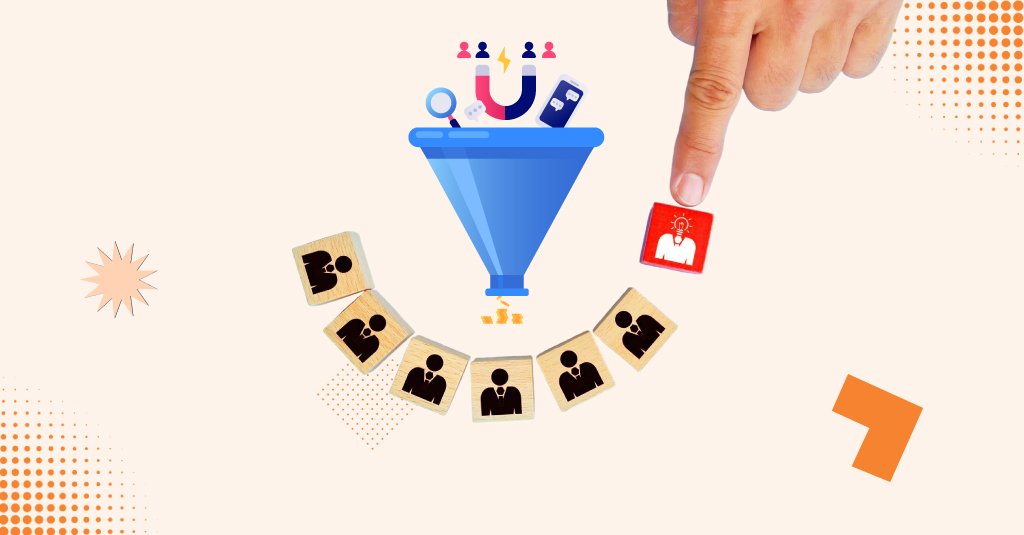
The B2B lead generation industry is transforming. Strategic Appointment Setting in B2B Lead Generation is crucial. It is far from being obsolete. In fact, with new and developed marketing strategies, it is becoming more intelligent and efficient. In Q1 2025, strategic appointment setting played a key role in how lead generation has evolved. This evolution results from newfound technologies for better data analysis and highly personalized customer engagement.
The Changing B2B Lead Generation Landscape
The online space is all about old-fashioned lead generation strategies giving way to advanced techniques. Artificial intelligence (AI), predictive analytics, and hyper-personalization are revolutionizing the way companies identify and target potential customers. Strategic appointment setting in B2B lead generation plays a vital role here.
Q1 2025: Key Trends in Strategic Appointment Setting
Accepting AI and Automation
AI and automation are now an inevitable part of appointment setting, reducing processes from qualification to scheduling. Tools powered by AI are making the sales team more efficient by doing repetitive tasks for them and allowing them to look deeper into the behavior of the prospects. As an example, companies using AI-based lead generation tools have found that their conversion rates have seen a 35% boost.
Predictive Analytics Utilization for Lead Scoring
Predictive analytics is transforming lead scoring as it allows companies to target prospects with the best conversion potential. Firms adopting predictive analytics have reported a 20% improvement in sales productivity and a 15% decline in lead costs. "
Prioritizing Hyper-Personalization
Personalization has moved beyond the level of generic greetings to include customized content and solutions driven by in-depth knowledge of prospectsbehaviors and needs. Research has shown that 80% of customers are more likely to interact with brands providing personalized experiences.
Implementing Multi-Channel Engagement Strategies
It has been effective to engage prospects through multiple channels, including email, phone, social media, and SMS. A unified multi-channel strategy provides uniform messaging and promotes brand awareness. Interestingly, 74% of B2B buyers use LinkedIn as a research tool, underpinning the importance of the platform in outreach. "
Leveraging Intent-Based Targeting
Intent-based marketing emphasizes prospect identification and engagement based on active interest in a particular solution. Through intent signals analysis, companies can adjust outreach to the prospect immediate stage in the buying process, resulting in better engagement. For example, intent data users have experienced a 35% boost in qualified leads in six months."
Real-World Impact: Case Studies
Case Study 1: AI-Driven Appointment Setting at CloudTech Solutions
CloudTech Solutions, a B2B SaaS provider,did a restructuring of their appointment-setting process. The company started with the integration of AI-powered targeting. They adopted a multi-channel outreach strategy. They emphasized personalized video messages to key decision-makers, addressing specific pain points its software could resolve." Results:
- They achieved a 40% increase in appointment-setting."
- A 25% higher conversion rate.
- Reduced time spent on unqualified leads by 50%."
By focusing on quality over quantity and delivering value, CloudTech Solutions significantly enhanced their return on investment in appointment setting efforts. "
Case Study 2: Intent-Based Marketing Success at Helium SEO
Helium SEO is a digital marketing agency. The agency implemented AI-powered scheduling and qualification. Their focus was to transform their lead engagement strategy. By automating qualification and improving sales efficiency, they eliminated wasted time on unqualified leads, ultimately reducing costs and increasing pipeline conversion." Results:
- The lead qualification process was automated."
- Sales efficiency was improved."
- Eliminated time spent on unqualified leads."
This strategy enabled Helium SEO to concentrate its efforts on high-intent leads, which resulted in a more effective sales process and better conversion rates. These case studies illustrate how combining AI and intent-based strategies can greatly improve appointment setting and lead conversion in the B2B industry.
The Future of Strategic Appointment Setting
As we progress further in 2025, the integration of AI, predictive analytics, and real-time data is likely to further enhance appointment-setting strategies. Real-time intent targeting, privacy-first data collection, and voice search analytics are some of the new trends that are emerging. Those companies that remain abreast of these advances will be better equipped to engage with high-quality leads."
Conclusion
ead generation is deadis a myth. Instead, it is changing, becoming smarter and more strategic. Through the implementation of AI, predictive analytics, hyper-personalization, multi-channel engagement, and intent-based targeting, businesses can make their appointment-setting operations more efficient, leading to better conversion rates and long-term growth. As the B2B environment keeps changing, remaining in front means that innovation should be a priority and value-based, personalized experiences should be delivered to prospects.