
AI is no longer a competitive advantage in B2B content marketing. Access is universal. Adoption is widespread. Output has increased across the board.
Yet, the performance gaps are widening.
Some teams are producing more content than ever, with little impact on the pipeline. Others are building systems where content consistently drives engagement, conversion, and revenue.
The difference is not the tools. It is how those tools are structured, governed, and connected to buyer intent.
1. From Content Creation to Knowledge Amplification
Core Tools
ChatGPT
Claude
Jasper
Writer
What Has Changed
The first wave of AI writing tools focused on content generation. That phase is over.
The current wave is focused on knowledge amplification at scale.
According to Forrester, generative AI is driving measurable gains in productivity, accelerating content cycles, and enabling personalization at scale. Those gains plateau quickly when AI is treated as a writing layer alone.
The deeper shift is structural.
AI is becoming:
An interface to institutional knowledge.
A system for contextual content generation.
A mechanism for enforcing brand consistency at scale.
This changes the role of content teams.
"Generative AI has the power to be as impactful as some of the most transformative technologies of our time. The mass adoption of generative AI has transformed customer and employee interactions and expectations," said Srividya Sridhara, VP and Group Research Director at Forrester.
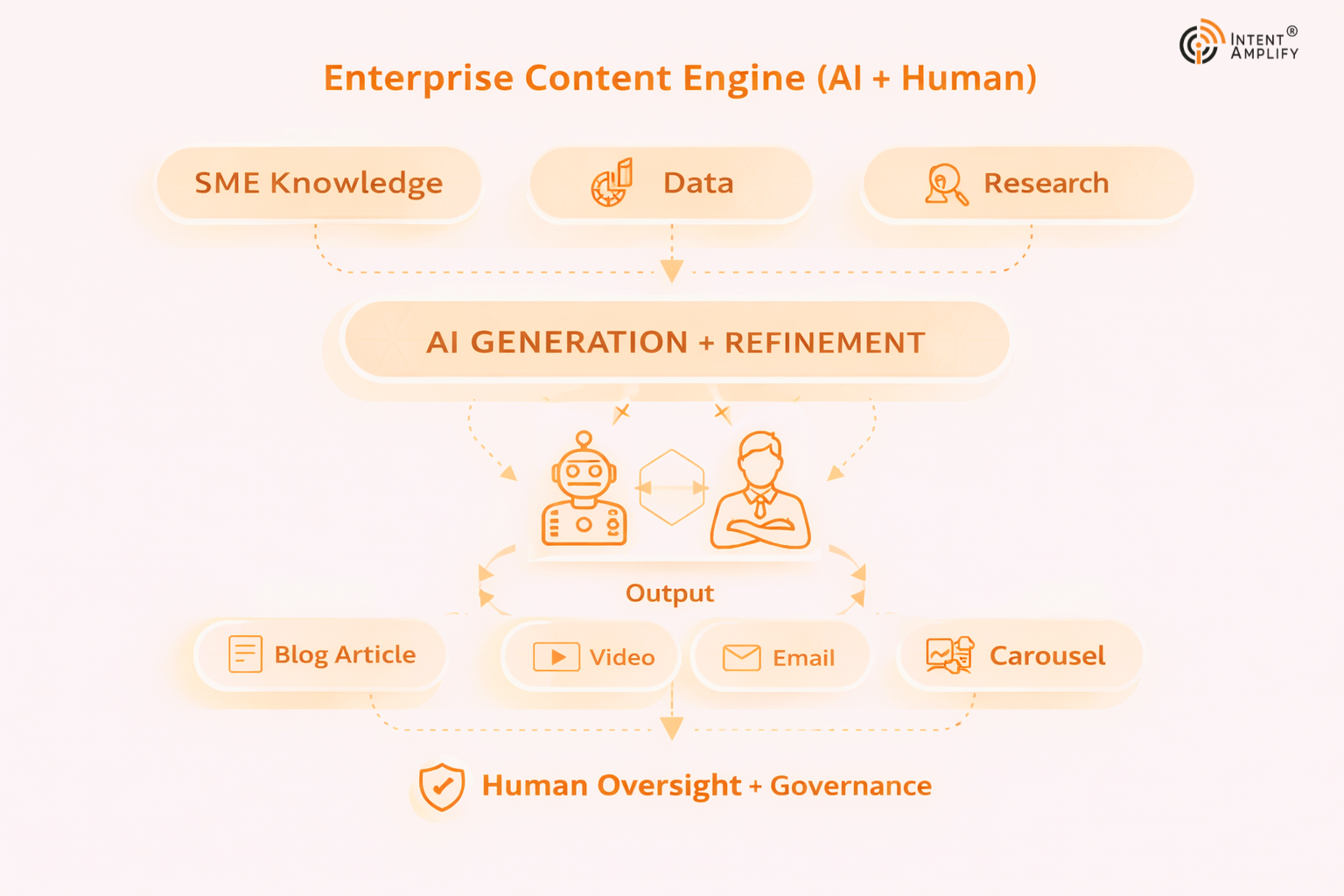
However, the deeper shift is architectural.
These tools are evolving into:
Enterprise knowledge interfaces.
Context-aware writing systems.
Brand-governed content engines.
Strategic implication
High-performing B2B teams are no longer asking:
"How do we generate content faster"
They are asking: "How do we turn institutional knowledge into scalable content assets"
That shift separates volume-driven content teams from authority-driven organizations.
2. AI SEO and Content Intelligence
Core Tools
Surfer SEO
Clearscope
MarketMuse
Frase
Semrush AI
What has changed
SEO is no longer a keyword game. It is an authority-building system powered by AI.
According to McKinsey's State of AI research, leading organizations are not limiting AI to incremental gains. They are using it to redesign workflows, accelerate innovation, and embed intelligence across core business functions.
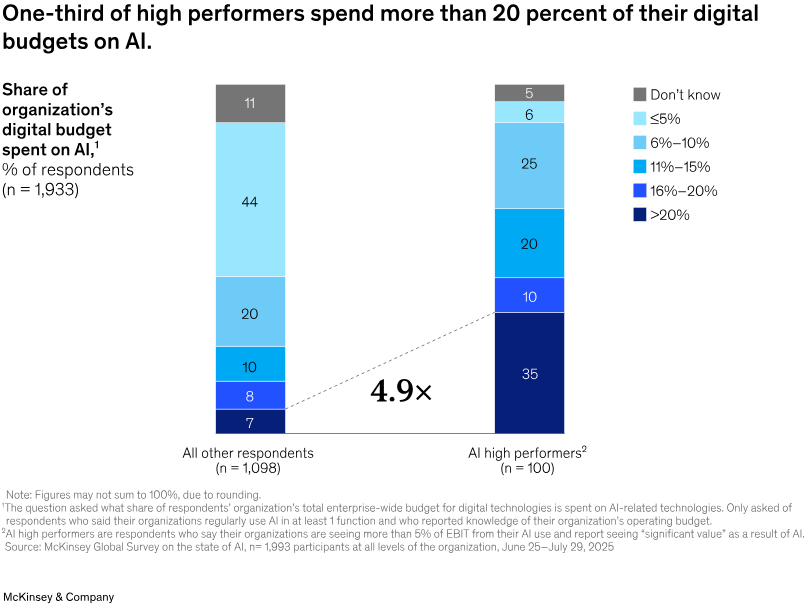
As AI capabilities mature, particularly with the rise of AI agents, these companies are integrating AI more deeply into their operating models to unlock new forms of value and competitive advantage.
This aligns with a broader shift:
From ranking pages to owning topics.
From keywords to intent clusters.
From optimization to predictive visibility.
Strategic implication
AI SEO tools now act as:
Decision engines for content prioritization.
Topic gap analyzers at scale.
Competitive intelligence systems.
The organizations winning in search are not producing more blogs. They are building content ecosystems aligned with buyer intent.
3. AI Workflow Automation: The Real Driver of Scale
Core Tools
Zapier AI
Make
n8n
AirOps
Gumloop
What has changed
Most organizations misunderstand where scale comes from. It is not creation, but coordination.
Gartner predicts that 40% of enterprise applications will integrate AI agents by 2026, up from less than 5% in 2025.
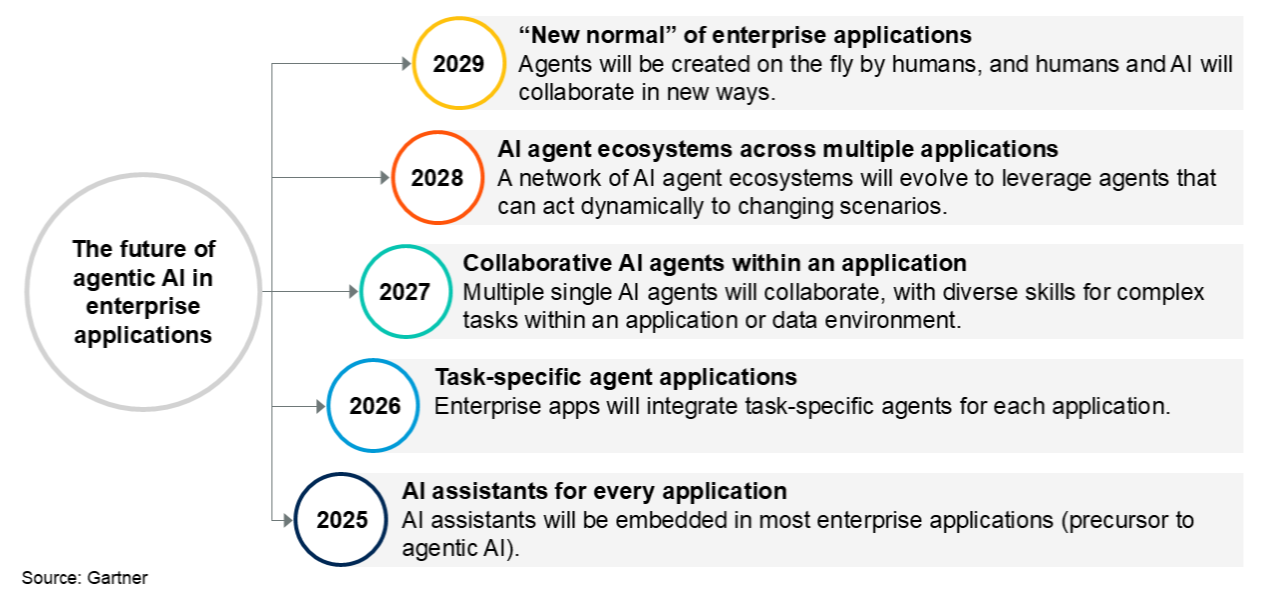
This signals a shift toward:
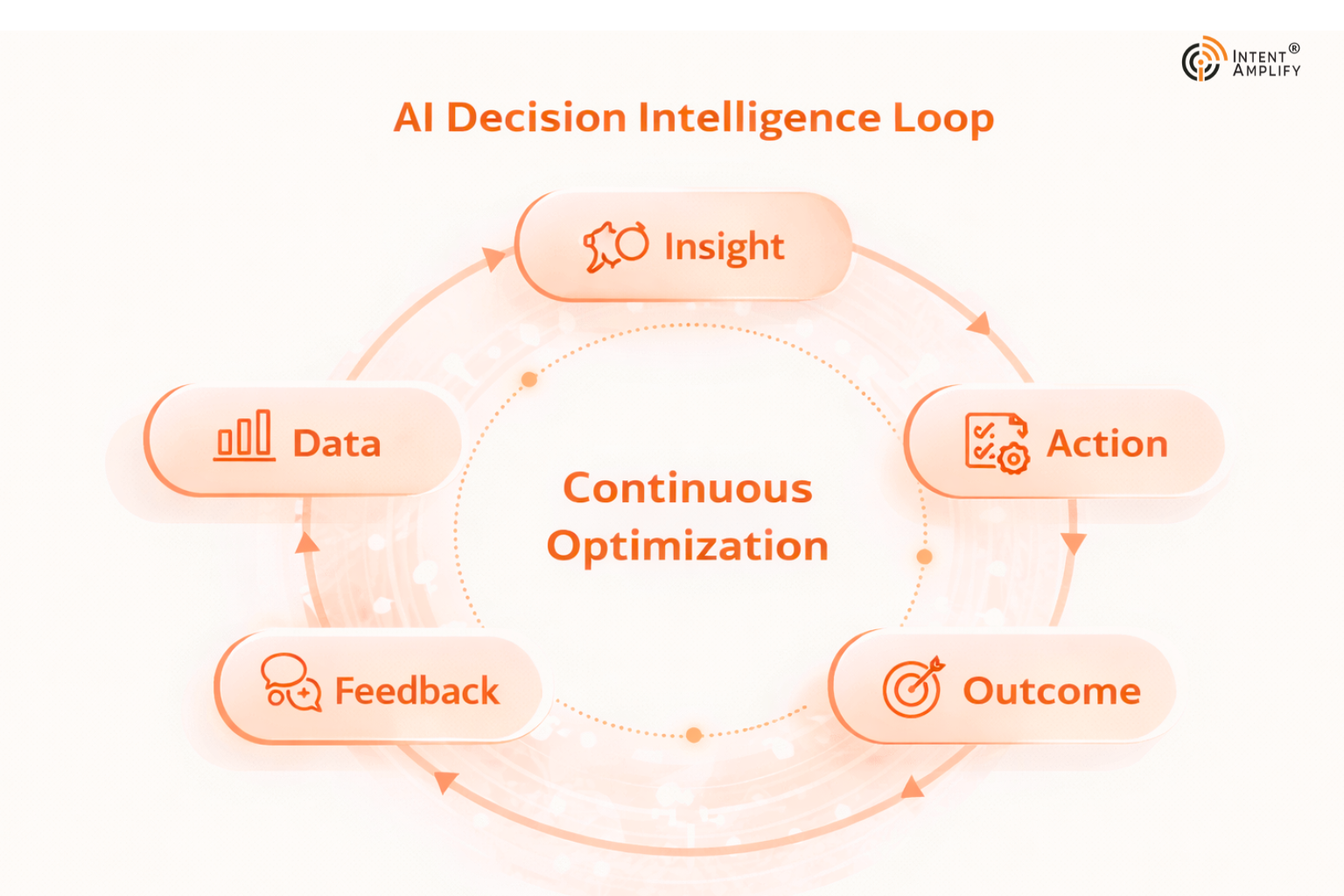
Autonomous workflows.
AI-driven execution layers.
Reduced human orchestration overhead.
Strategic implication
Content workflows are becoming:
Event-driven (trigger-based publishing).
Multi-system integrated (CRM, CMS, analytics).
Partially autonomous.
In this model, AI tools are no longer assistants. They are operators within the content supply chain.
4. Multimodal AI: Redefining B2B Content Formats
Core Tools
Canva AI
Midjourney
Descript
Synthesia
Runway
What has changed
B2B content is shifting from: Text-first to experience-first.
Research by Nature shows that AI-generated content can match or outperform human-created content in persuasion, particularly in structured messaging environments.
This has massive implications:
Content is no longer limited by production constraints.
Visual storytelling becomes scalable.
Personalization extends beyond text into video and voice.
Strategic implication
Winning B2B brands are:
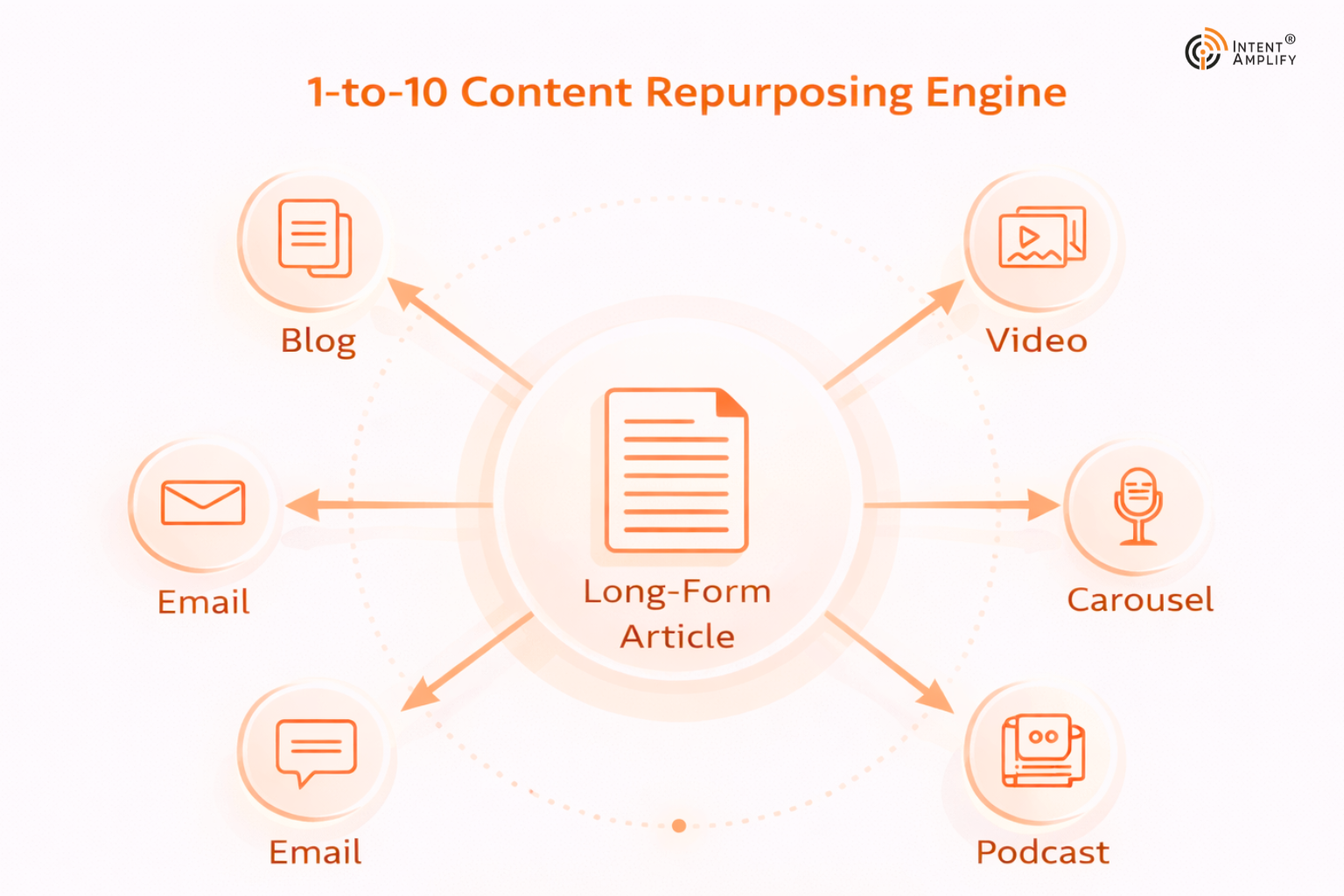
Repurposing 1 idea into 10 formats.
Using AI to maintain narrative consistency across formats.
Treating content as a multimodal experience layer.
5. From Reporting to Decision Systems
Core Tools
Perplexity
Brandwatch
SparkToro
Feedly AI
What has changed
Analytics is shifting from: Reporting to real-time decision intelligence
Deloitte highlights that "while many organizations are achieving productivity gains, only 34% are truly reimagining their business using AI," as stated by Beena Ammanath, Global Deloitte AI Institute leader, in her LinkedIn post.
Most companies: Use AI to execute faster.
Few companies: Use AI to decide better.
Strategic implication
AI analytics tools now enable:
Predictive content strategies.
Real-time audience insights.
Faster strategic pivots.
The competitive advantage lies in: Decision velocity, not just execution speed.
6. Where Content Becomes Revenue
Core Tools
HubSpot AI
Salesforce Marketing Cloud AI
Apollo
ZoomInfo
What has changed
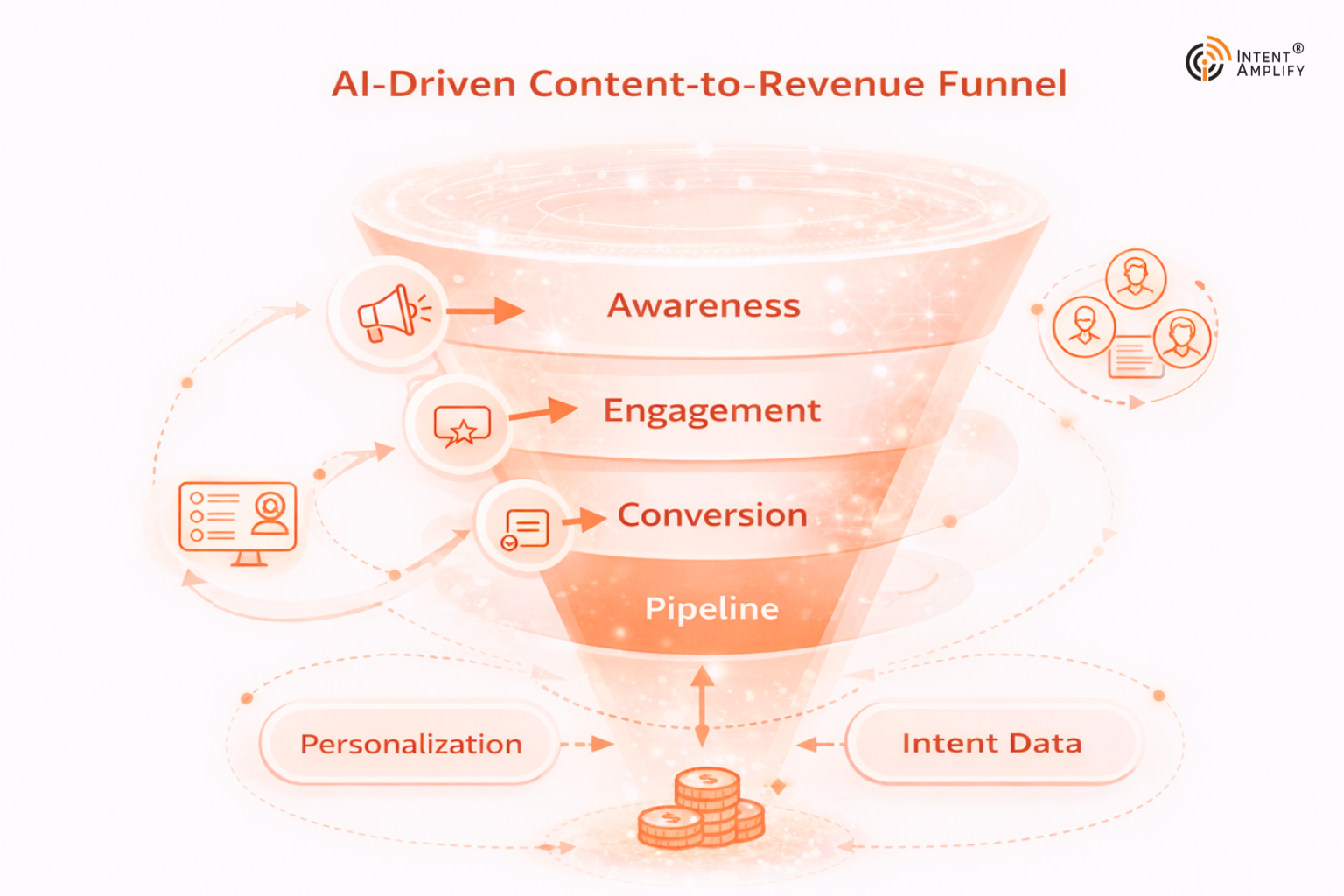
Content is no longer top-of-funnel. It is directly tied to pipeline generation and revenue impact.
Strategic implication
AI-powered platforms enable:
Personalized content journeys.
Account-based engagement at scale.
Real-time intent-driven content delivery.
Content is evolving into: A revenue engine, not a marketing output.
The Real Challenge in 2026
Despite rising adoption, a major gap remains.
This highlights a critical reality: Most organizations are investing in AI. Few are operationalizing it effectively.
What High-Performing B2B Teams Do Differently
They don't build tool stacks; they build AI-powered content systems.
That includes:
Workflow orchestration.
Governance frameworks.
Data integration.
Continuous optimization loops.
Final Takeaway
AI tools are no longer the differentiator. Execution architecture is.
The organizations leading B2B content marketing in 2026 are not producing more content.
They are building systems that continuously generate, optimize, and distribute high-impact content aligned with revenue outcomes.