

When a critical component becomes difficult to source, the first question is often: What can we substitute?
By that point, the organization may already be operating under the worst possible conditions for a good engineering decision. Production is waiting. Procurement is under pressure. Program teams are protecting a schedule. Engineering is being asked to evaluate a replacement quickly, even though the original design may have been validated months or years earlier.
This is why alternate-part planning should not begin with a shortage.
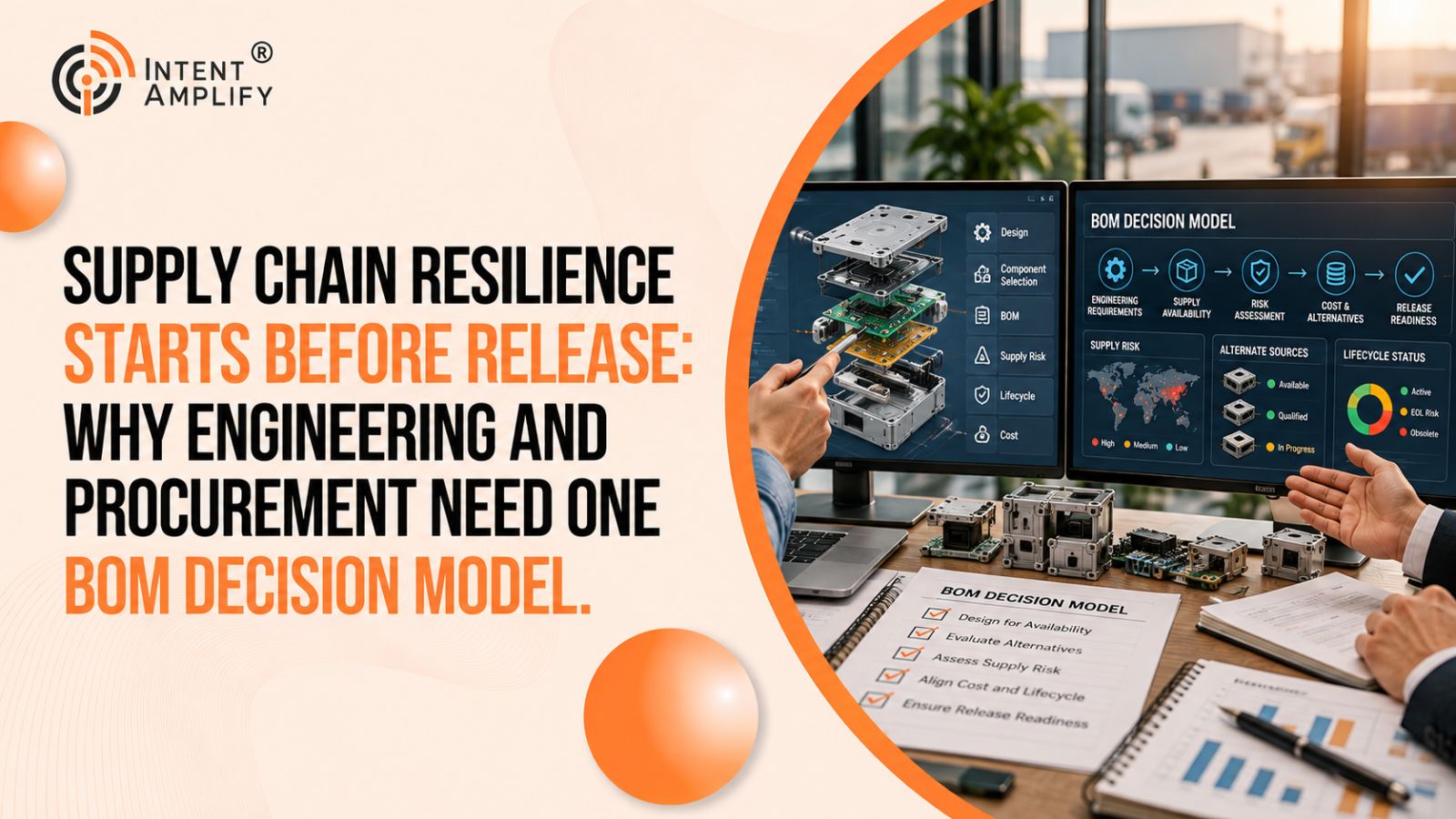
In a resilient electronics operating model, alternates are considered while the design is still flexible. Engineering identifies where substitution matters, defines the technical boundaries, and evaluates credible options. Procurement contributes current availability, supplier, lifecycle, and commercial context. The resulting decision becomes part of the BOM rather than an emergency investigation stored in email.
Altium’s BOM Portal describes a model built around live supply-chain intelligence, alternative-part recommendations, and collaborative review tools intended to help teams turn BOMs into production-ready assets [1].
The strategic shift is straightforward: an alternate is not only a sourcing option. It is design flexibility that can be deliberately created before disruption.
Emerging Trend: From Reactive Substitution to Resilience by Design
The traditional alternate-part workflow is event-driven.
A part becomes unavailable, a supplier changes terms, a lifecycle notice arrives, or a lead time moves outside the production window. Procurement searches for a substitute. Engineering reviews the candidate. Qualification begins. The team races the clock.
That workflow can work, but it starts after the organization has already lost time.
Mouser’s 2026 procurement guidance describes electronics sourcing as a discipline that now requires teams to stay ahead of shortages, manage supplier relationships, preserve flexibility, and use digital tools rather than optimizing for price alone [2]. That same logic strengthens alternate-part planning: the fallback should be evaluated before a disruption, while engineering and sourcing still have room to compare options.
This does not mean every component needs multiple approved substitutes. That would create unnecessary engineering effort and complexity.
It means the organization should identify where a lack of alternatives creates material exposure and address those decisions before they become urgent.
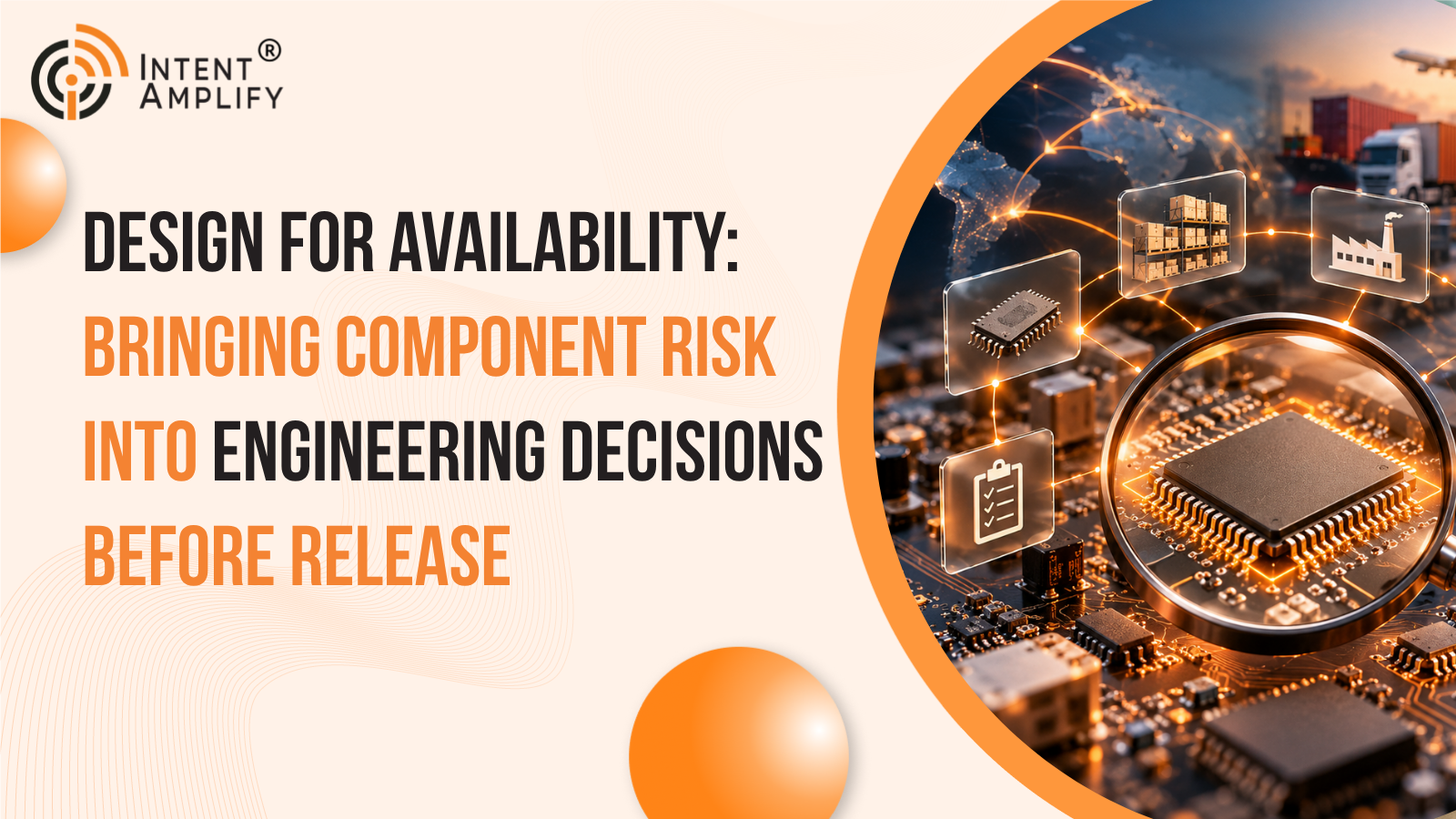
A practical alternate strategy therefore starts with criticality. Which components would stop a build? Which would require significant redesign or requalification if unavailable? Which are single-source by design? Which have a short commercial lifecycle relative to the product? Which are used across several products and could create portfolio-wide exposure?
Those questions make alternate planning a risk-management discipline rather than a search exercise.
Expert Perspective: A Search Result Is Not an Approved Alternate
Component databases and intelligent search can dramatically reduce the time required to discover potential alternatives. But discovery and approval are different decisions.
A candidate part may look similar while differing in electrical behavior, package constraints, environmental requirements, compliance status, firmware interaction, thermal characteristics, qualification history, or manufacturer-specific performance.
Engineering therefore needs to define what “equivalent” means for the product.
Procurement has a different question: does the alternate actually improve resilience?
A substitute from the same constrained manufacturer may not reduce source concentration. A part with limited authorized distribution may introduce another risk. A technically attractive alternative may have a lifecycle profile that does not fit the product roadmap. A lower-cost part may create qualification effort that outweighs the commercial benefit.
The right alternate decision combines technical suitability with supply-chain suitability.
DigiKey’s 2026 supply-chain analysis cautions electronics OEMs that improving stability does not mean predictability and argues for supply chains that can absorb shocks and reallocate resources rapidly [3]. For component strategy, alternate readiness is one of the practical ways to preserve that response capacity at the product level.
That is exactly the gap proactive alternate planning is meant to close.
Market Implications: More Choice Does Not Remove the Need for Governance
The electronics distribution ecosystem offers enormous component breadth.
DigiKey reported in February 2026 that it added more than 108,000 new stocking parts and 364 suppliers during 2025, while more than 1.6 million new products were added to its system across its core business, Marketplace, and Fulfilled by DigiKey programs [4].
For engineering teams, greater choice is valuable. But a larger catalog does not automatically create a resilient BOM.
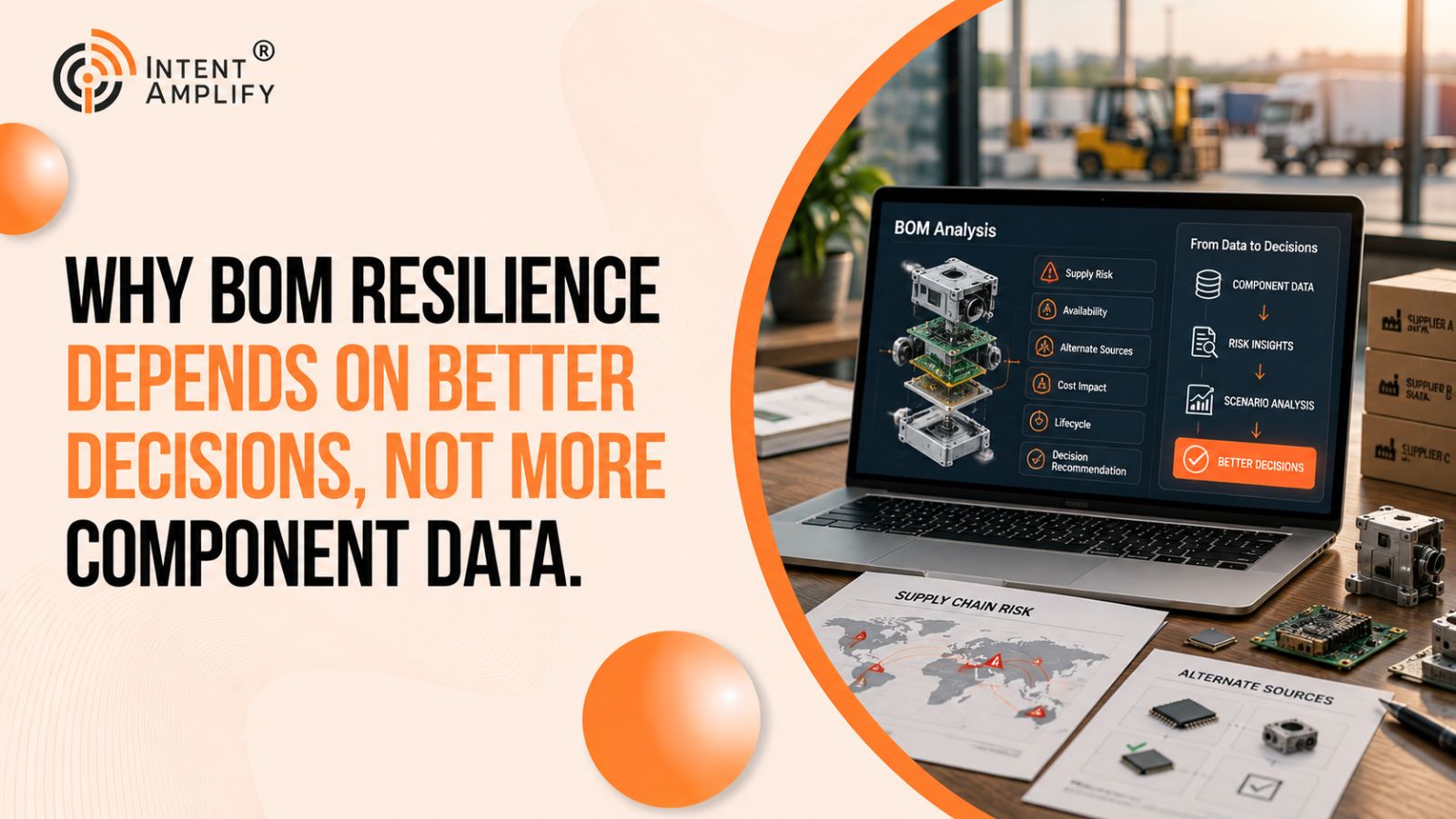
The organization still needs a disciplined method for selecting, evaluating, approving, and maintaining alternatives. More potential substitutes can actually increase the need for clear decision criteria because teams must distinguish a discoverable part from a product-ready alternate.
Market conditions can also move differently across component categories. ECIA’s July 2026 Industry Pulse reported an overall sentiment index of 141.6 after a 12.5-point decline from June, while noting that component index averages had remained above the 100-point growth threshold since May 2025 [5].
The relevant lesson is not whether the market is broadly strong or weak. It is that conditions change, categories differ, and a BOM can contain exposure even when aggregate sentiment is positive.
Alternate planning gives the organization options when those changes reach a critical component.
Decision Governance Is Where Alternate Intelligence Becomes Operationally Useful
A resilient alternate workflow needs more than a list of possible substitutes.
It needs a decision record.
For each critical component, teams should be able to understand why an alternate was considered, what technical criteria were evaluated, whether procurement confirmed a better sourcing position, what qualification remains necessary, and who approved the final status.
This becomes especially important when the same component is used across multiple products. A sourcing issue may affect several BOMs, but the technically acceptable response may differ by design.
A shared BOM environment can help teams preserve that context instead of repeating the analysis in separate spreadsheets and email threads.
The objective is not to automate engineering judgment. It is to make the judgment easier to execute, easier to review, and easier to reuse when supply conditions change.
For leaders assessing whether their current BOM process supports this model, Altium’s supply-chain resilience materials provide a practical next step. They focus on moving beyond static spreadsheet management toward dedicated BOM workflows that bring supply intelligence and cross-functional collaboration closer to product decisions.
Recommendations: Building a Proactive Alternate-Part Operating Model
Here are the recommendations from Intent Amplify for electronics organizations looking to make alternate parts a planned resilience capability rather than an emergency sourcing response.
1. Prioritize Components by Consequence, Not by Line Count
Do not attempt to build the same alternate depth for every BOM item. Identify components where loss of supply would create meaningful production, redesign, qualification, or schedule impact. Prioritize single-source devices, specialized components, long-lifecycle products, and parts used across multiple high-value designs.
2. Define Technical Substitution Rules Before Searching
Engineering should establish the characteristics that an alternate must satisfy before a sourcing event occurs. Include the electrical, mechanical, thermal, environmental, compliance, firmware, and qualification constraints relevant to the design. This prevents teams from confusing superficial similarity with engineering equivalence.
3. Evaluate Whether the Alternate Improves the Supply Position
A technically acceptable substitute is useful only if it provides a credible sourcing advantage. Procurement should review manufacturer concentration, authorized distribution, availability, lead time, lifecycle, commercial conditions, and other relevant supply factors. The goal is to avoid replacing one dependency with another.
4. Preserve Approval Rationale in the BOM Workflow
Document why the alternate was approved, conditionally approved, rejected, or left for future qualification. A decision trail reduces repeated analysis and helps future engineering and procurement teams understand the boundaries of the original judgment.
5. Revisit Alternates When Material Conditions Change
An alternate approved two years ago may not remain the best option. Define triggers for review, such as lifecycle changes, major lead-time movement, supplier changes, product redesign, or new qualification requirements. Alternate management should be maintained as part of BOM governance, not treated as a one-time exercise.
Conclusion: Resilience Is the Option to Act Before the Emergency
The value of an alternate component is not simply that it exists. The value is that the organization has enough evidence and governance to use it when conditions change.
That readiness is created before a shortage.
Engineering defines what can change without compromising the product. Procurement establishes whether the substitute improves the sourcing position. The BOM records the relationship between the original component, the alternate, the evidence, and the approval status.
This turns substitution from a reactive search into a designed capability.
For electronics organizations, that is an important part of supply-chain resilience. Markets will continue to change. Lifecycle events will continue to occur. Supplier conditions will move. The goal is not to predict every disruption. It is to preserve enough product flexibility that the organization has credible options when disruption arrives.
That is why alternate-part planning belongs in design strategy, not only in emergency sourcing.
Build Stronger Demand Around Electronics Supply Chain Resilience
Intent Amplify helps B2B technology companies turn complex electronics, engineering, procurement, and supply-chain themes into credible thought leadership, market education, and demand-generation programs for senior buyers. For organizations positioning BOM management, component intelligence, design platforms, or supply-chain technology, the message must connect technical capability to a specific operational decision.
Through content strategy, research-led assets, content syndication, and buyer-focused demand generation, Intent Amplify helps technology brands translate complex solutions into clear executive value.
Assess your electronics supply-chain content and demand-generation strategy.
Use Altium’s “Building Supply Chain Resilience: Transforming BOM Management for Modern Electronics” whitepaper to benchmark where spreadsheet-led BOM workflows lose supply context, slow engineering-procurement decisions, or leave component risk unresolved until options narrow.
References
1. Altium (2026) BOM Portal. Available at:
https://resources.altium.com/bom-portal?tab=tech_docs
2. Mouser Electronics (2026) 10 Strategies for Successful Electronics Procurement. Available at:
3. DigiKey (2026) The 2026 Supply Chain: New Rules for Electronics OEMs. Available at:
https://www.digikey.com/en/blog/the-2026-supply-chain-new-rules-for-elctronics-oems
4. DigiKey (2026) DigiKey Adds More Than 108,000 New Stocking Parts and 364 Suppliers in 2025. Available at:
5. Electronic Components Industry Association (2026) ECIA’s Industry Pulse: Electronic Component Trends and Sentiment July 2026. Available at: