
Book a Demo
Home Platform Audience Accounts Intent Evidence Activation Solutions Industries Programs Research Pricing About Careers Press Contact Brands Trust Privacy Accessibility Demo ABM Advertising Content Demand Intent Data Sales Blog Infographics Events Product Sheets Videos Webinars White Papers E-books Customer Stories Corporate Presentation Newsletters Expert Insights Expert Analysis Research Reports
Expert Insight

Why Inventory Accuracy Requires Cross-Functional Ownership

Why Inventory Accuracy Requires Cross-Functional Ownership
September 8, 2026 6 min read

Quick Answer

Inventory accuracy depends on coordinated ownership across retail operations, supply chain, ecommerce, technology, and inventory teams. Explore how shared definitions, clear decision rights, and root-cause ownership can improve inventory reliability.

Inventory Accuracy Is Produced Across the Retail Operating Model

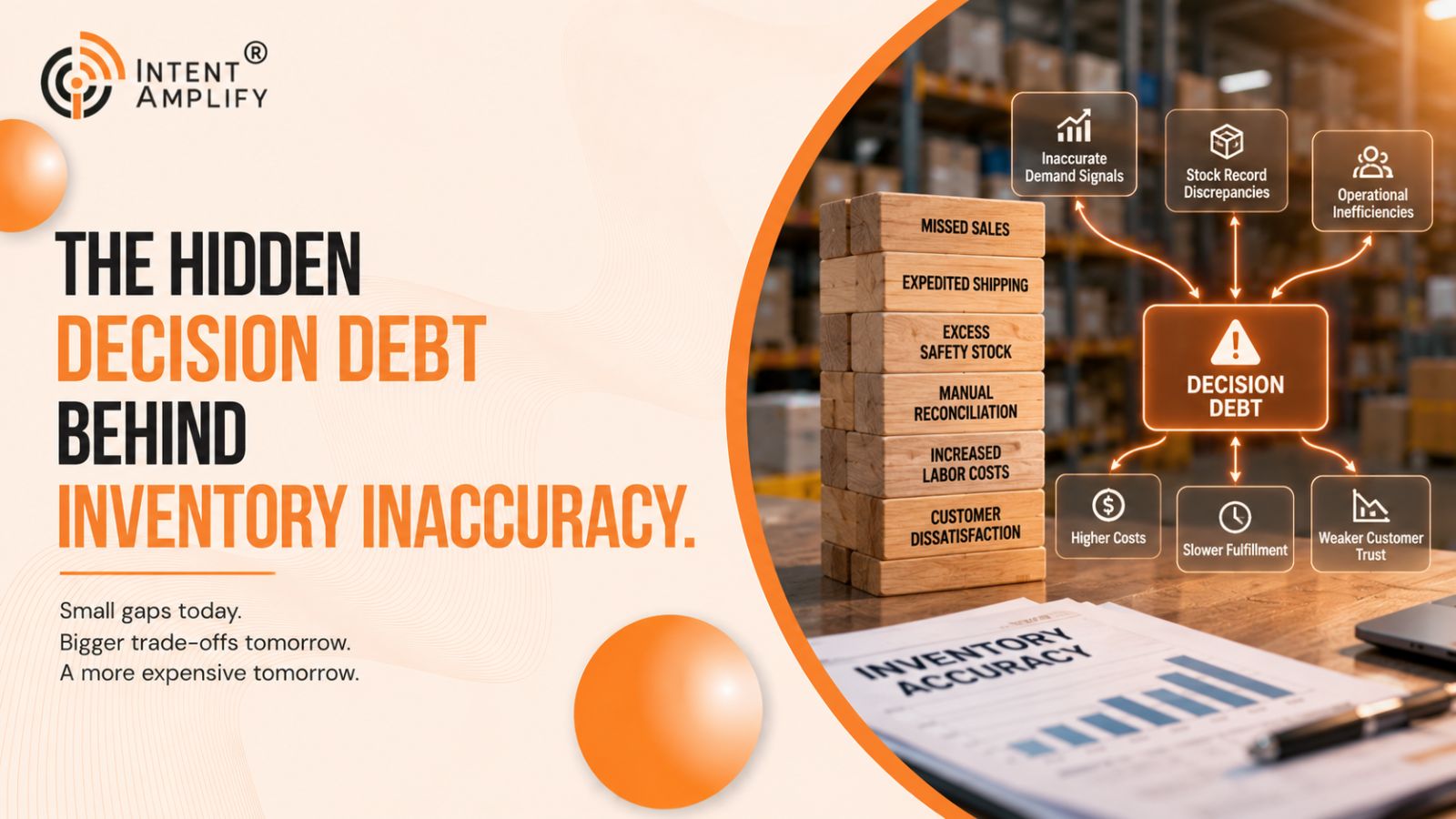
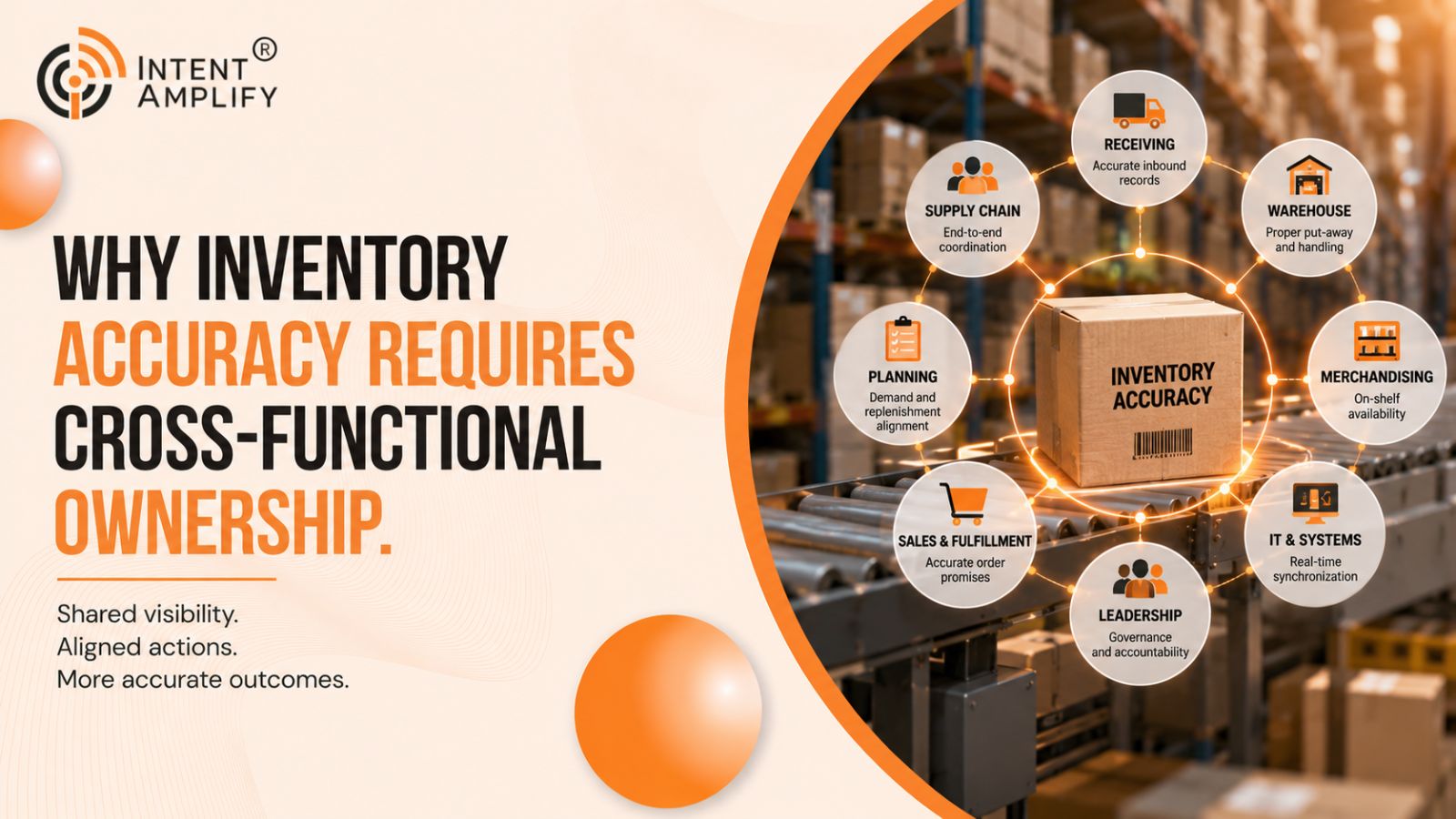
Inventory accuracy can be assigned to a function, but it cannot be produced by one function alone. Every receiving event, shelf movement, replenishment task, transfer, pick, return, adjustment, and system update can change the inventory position. When the physical and digital states diverge, the discrepancy may appear in inventory control even though the recurring cause belongs to another workflow.

RETHINK Retail’s 2026 inventory-accuracy program frames accurate inventory as the foundation of grocery operations and emphasizes that weak inventory confidence affects replenishment, ecommerce, customer experience, and profitability. [1] That framing matters because it shifts inventory accuracy from a departmental KPI to a shared operating dependency.

The leadership challenge is not to make every function jointly responsible for every discrepancy. It is to create a clear path from the visible exception to the process owner capable of preventing recurrence.

Emerging Trend: Inventory Visibility Is Becoming an Enterprise Execution Layer

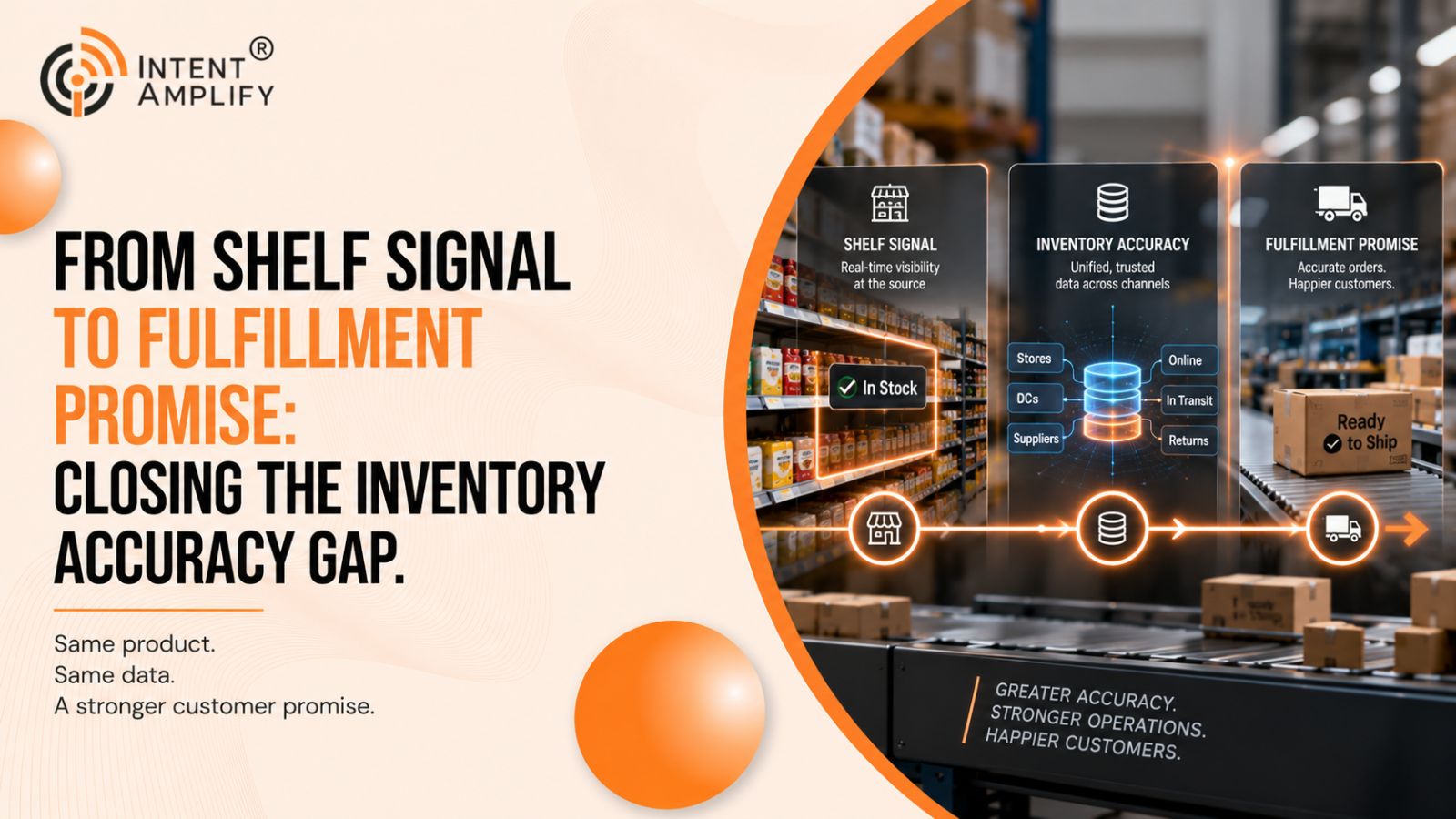
Retailers are increasingly connecting inventory visibility with customer promise and fulfillment execution. A 2026 Journal of Business Logistics study of roughly 24,000 SKUs across 11 grocery stores found that inventory record inaccuracy varied with operational conditions including inventory levels, restocking frequency, perishability, promotions, and audit activity. [2] That evidence reinforces why inventory reliability is a cross-functional operating issue rather than a technology-only concern.

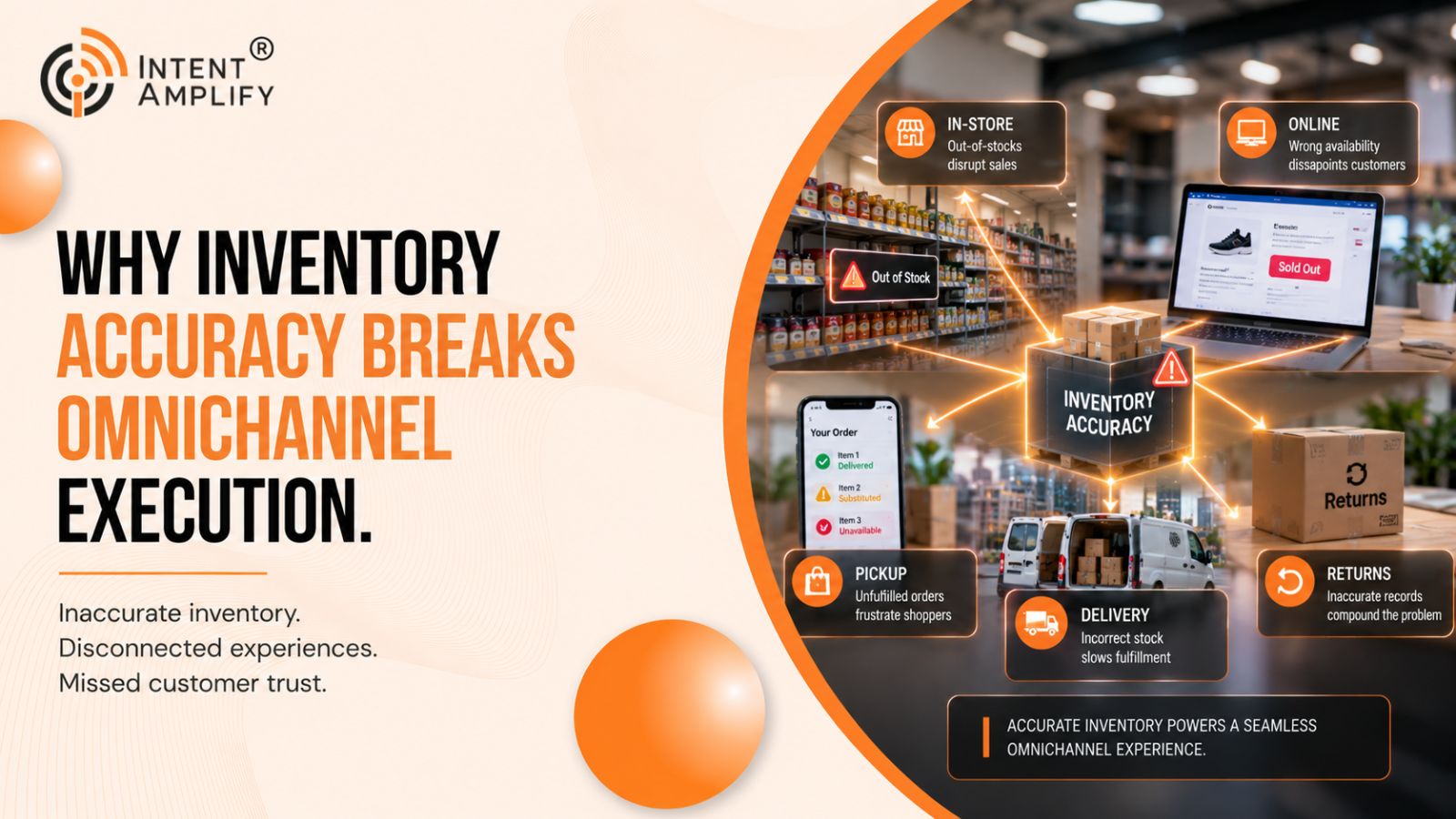
That coordination is necessary because different teams consume inventory data for different decisions. Store operations need to know what can be found and replenished. Ecommerce needs to know what can be promised. Supply chain needs to know what should move. Merchandising needs to know what is selling and where. Technology teams need to know which systems and events are authoritative.

If each function uses a different definition of on-hand, available, sellable, fulfillable, or accurate inventory, the organization can appear to have a data problem when it actually has a definition and decision-rights problem.

Expert Perspective: Separate Exception Ownership From Root-Cause Ownership

A practical cross-functional model begins by distinguishing two roles.

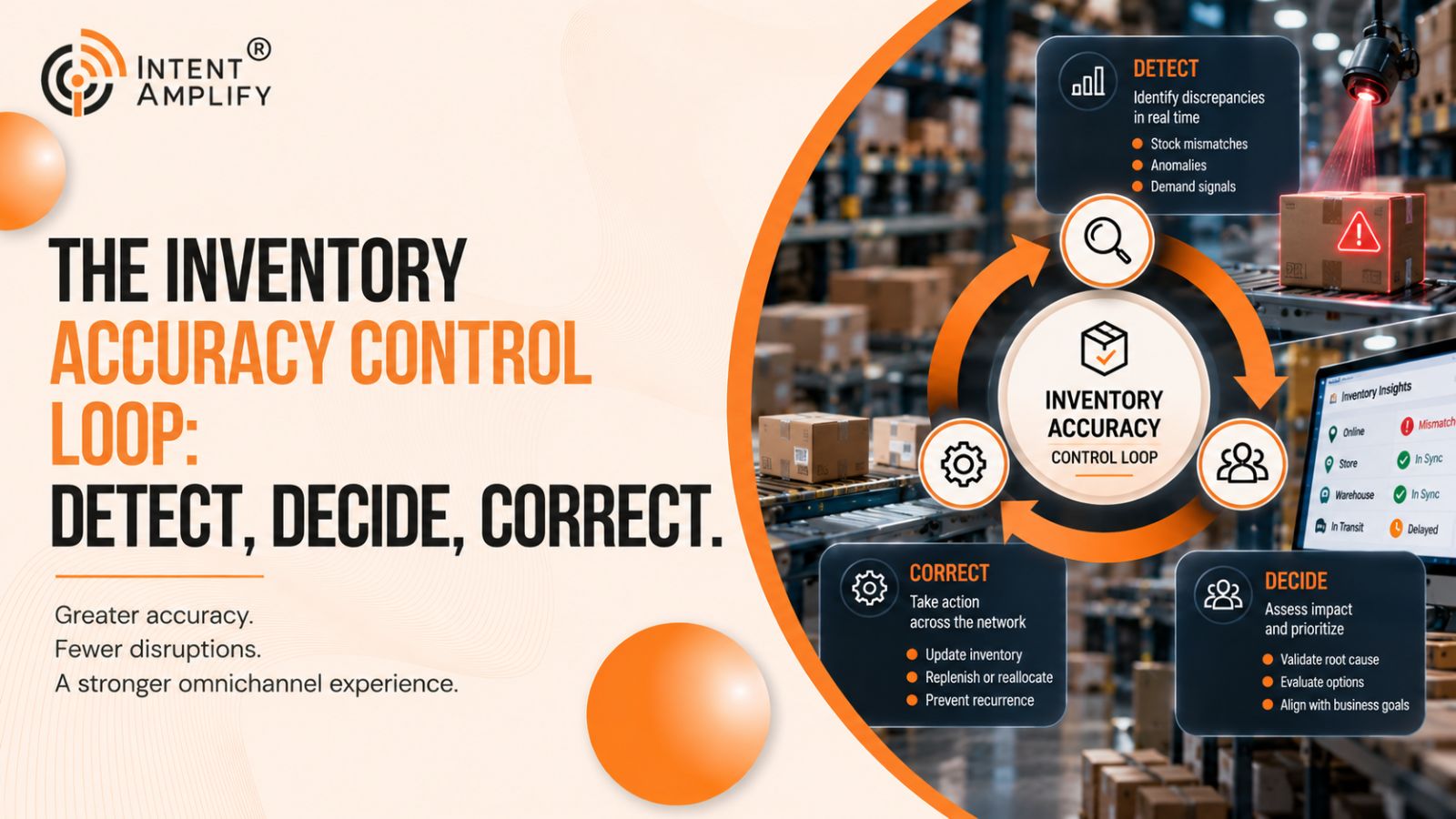
The exception owner resolves the immediate problem within an agreed service level. If a customer order cannot be picked, the exception owner protects the current customer outcome. If a shelf location is empty while the system shows stock, the operational owner investigates and corrects the immediate state.

The root-cause owner has a different responsibility. When the same pattern recurs, that owner changes the process, integration, rule, training, or control that creates the condition. These roles may sometimes sit in the same function, but they should not be assumed to be the same.

This distinction prevents inventory teams from becoming permanent owners of problems they can correct but cannot prevent. It also prevents cross-functional governance from turning into a committee for routine exceptions.

RETHINK Retail’s broader grocery analysis supports this operating view, arguing that grocery competitiveness increasingly depends on stronger back-end operations as shoppers move fluidly across stores, pickup, and delivery. [3] Inventory reliability is one of the shared signals that connects those channels.

Market Implications: Item-Level Visibility Raises the Standard for Accountability

As retailers adopt RFID and other item-level visibility technologies, the expectation for inventory accuracy increases. But better visibility does not remove the need for process ownership. It can expose more exceptions, more quickly, and make recurring causes easier to see.

GS1 US reported in 2026 that RFID is gaining momentum in grocery and foodservice and described its potential to improve inventory accuracy, reduce waste, strengthen traceability, and support food safety. [4] Those outcomes span multiple functions by definition. Inventory, store operations, supply chain, ecommerce, technology, and compliance may all depend on the same underlying event data while owning different decisions.

This makes governance more important, not less. Technology should clarify the signal. The operating model must clarify who acts on it.

For retail leaders evaluating how inventory reliability should work across functions, register for the Inventory Accuracy webinar

Build Governance Around Decisions, Not Meetings

First, create a shared definition layer. Define the inventory quantities used for customer promise, replenishment, fulfillment, and financial control. Document which events change each quantity and what latency is acceptable for each decision.

Second, define decision rights. Every recurring exception category should have an immediate owner and, where appropriate, a root-cause owner with authority to change the process or system dependency. Accountability without decision rights is only nominal ownership.

Third, review patterns rather than anecdotes. Routine discrepancies belong in operational workflows. Cross-functional leadership attention should focus on recurring item-location mismatches, repeat failed picks, persistent overrides, aging exceptions, and repeated process failures.

Fourth, connect technology work to an operating decision. Instead of requesting “better inventory visibility,” define the event that is missing or late, the system that should be authoritative, the exception that should trigger action, and the manual work that better information should remove.

Fifth, use a small scorecard. Useful measures include exception aging, time to correction, repeat discrepancy patterns, failed fulfillment attempts associated with unavailable stock, root-cause actions by owner, and compensating controls that remain because the standard signal is not trusted. Establish internal baselines before setting improvement targets.

Recent retail analysis also shows why cross-functional ownership matters at the point of customer promise. Retail Dive reported in August 2026 that fulfillment reliability depends on the accuracy of the inventory data beneath order and execution workflows. [5] Better signals can expose discrepancies earlier, but the operating process still determines who investigates, corrects, and prevents recurrence.

Conclusion

Inventory accuracy is produced by a network of processes, systems, and decisions. Governance should reflect that reality without making routine work slower. The strongest model gives immediate exceptions clear owners, assigns recurring causes to people with authority to change them, aligns definitions around business decisions, and escalates only when evidence shows a structural problem.

The result is not more meetings. It is a clearer route from discrepancy to decision and from recurring pattern to prevention.

RETHINK Retail’s webinar gives cross-functional leaders a shared operating context for this discussion: the cost of phantom inventory, the need for one trusted inventory number, and practical operational fixes intended to strengthen inventory confidence without assuming a major technology overhaul. Following the webinar, attendees can opt into an interactive operations assessment and review their results one-to-one with Tom Enright.

Register Now

References

  1. RETHINK Retail (2026) How to Build the Inventory Accuracy Every Grocery Decision Depends On. Available at: https://rethink.industries/video/the-inventory-accuracy-every-grocery-decision-depends-on/
  2. Rekik, Y., Oliva, R., Syntetos, A.A. and Glock, C.H. (2026) Inventory Record Inaccuracy in Grocery Retailing: Impact of Promotions and Product Perishability, and Targeted Effect of Audits. Journal of Business Logistics. Available at: https://onlinelibrary.wiley.com/doi/10.1111/jbl.70079
  3. RETHINK Retail (2026) The Future of Grocery Retail: Consumer Behavior, AI, and the Case for Better Operations. Available at: https://rethink.industries/podcast/the-future-of-grocery-retail-consumer-behavior-ai-and-the-case-for-better-operations/
  4. GS1 US (2026) RFID: A New Era for Grocery and Foodservice. Available at: https://www.gs1us.org/industries-and-insights/by-topic/rfid-in-retail/rfid-in-grocery-and-foodservice
  5. Retail Dive (2026) The promise retailers keep breaking (and why the data is to blame). Available at: https://www.retaildive.com/spons/the-promise-retailers-keep-breaking-and-why-the-data-is-to-blame/825616/
Contact
Sales