
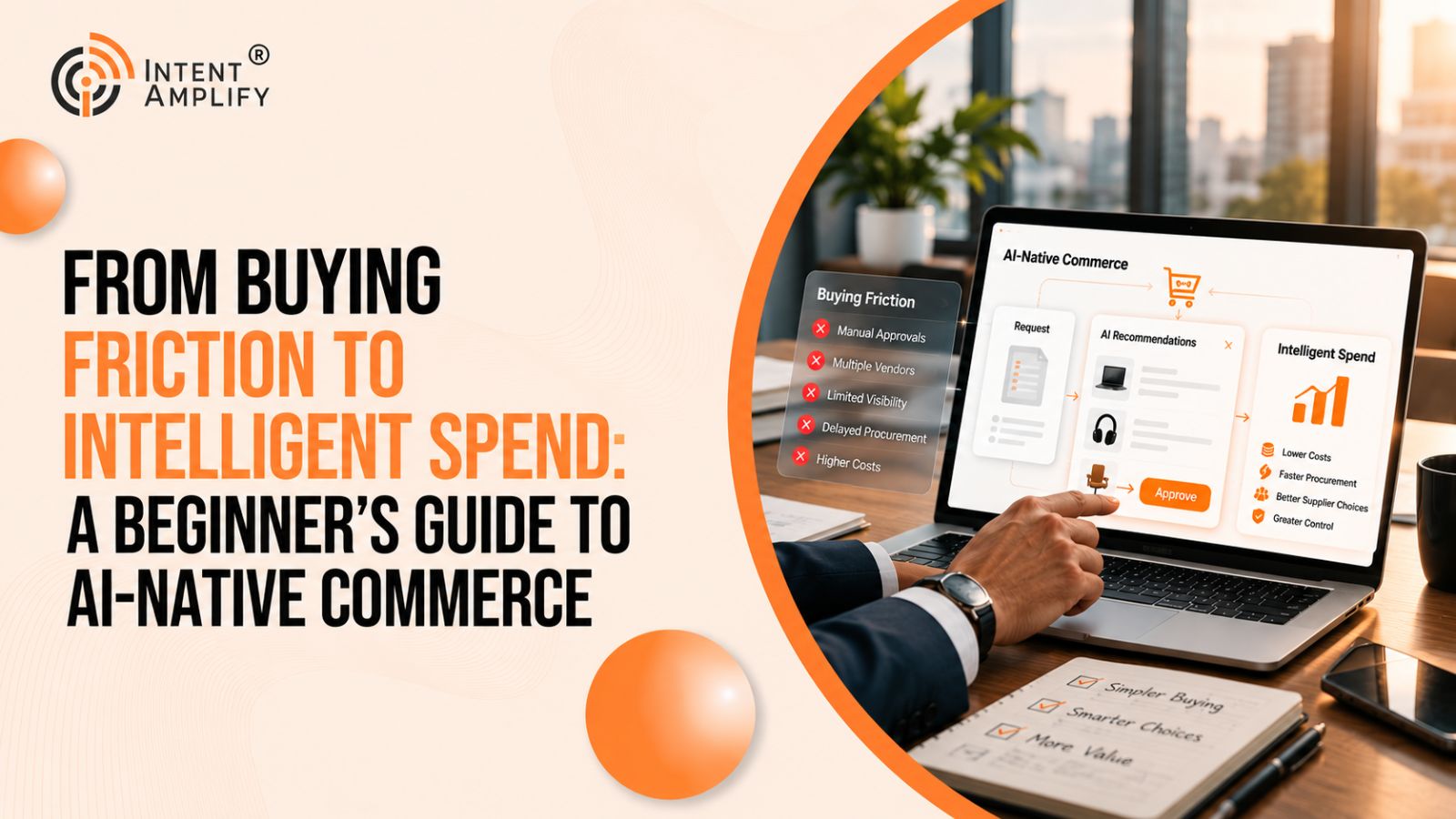
Buying Is Easy. Managing the Decision Is Harder.
Every organization spends money, but not every organization manages spend as a connected business discipline. Employees need software, services, equipment, travel, contingent labor, marketing support, logistics, and thousands of other inputs. The purchase itself may take minutes. The decision around it can involve budgets, preferred suppliers, contracts, security requirements, risk, approvals, tax, payment terms, and business priorities.
That is why spend management matters. At its simplest, spend management is the coordinated way an organization plans, sources, buys, pays for, and governs third-party expenditure. At a more mature level, it becomes a system for helping people make better commercial decisions while maintaining control.
The next stage is AI-native commerce: using connected data, intelligent workflows, and AI capabilities to help people navigate those decisions with more context and less administrative friction.
The Shift from Transaction Processing to Decision Support
For years, enterprise purchasing technology focused heavily on digitizing transactions. Purchase requisitions replaced paper forms. Electronic approvals replaced email chains. Supplier portals improved document exchange. Analytics made historical spend easier to review.
Those advances remain valuable, but they do not solve every decision problem. A user may still need to determine which supplier is appropriate, whether an existing contract covers the requirement, whether a purchase introduces risk, or whether an exception should be escalated.
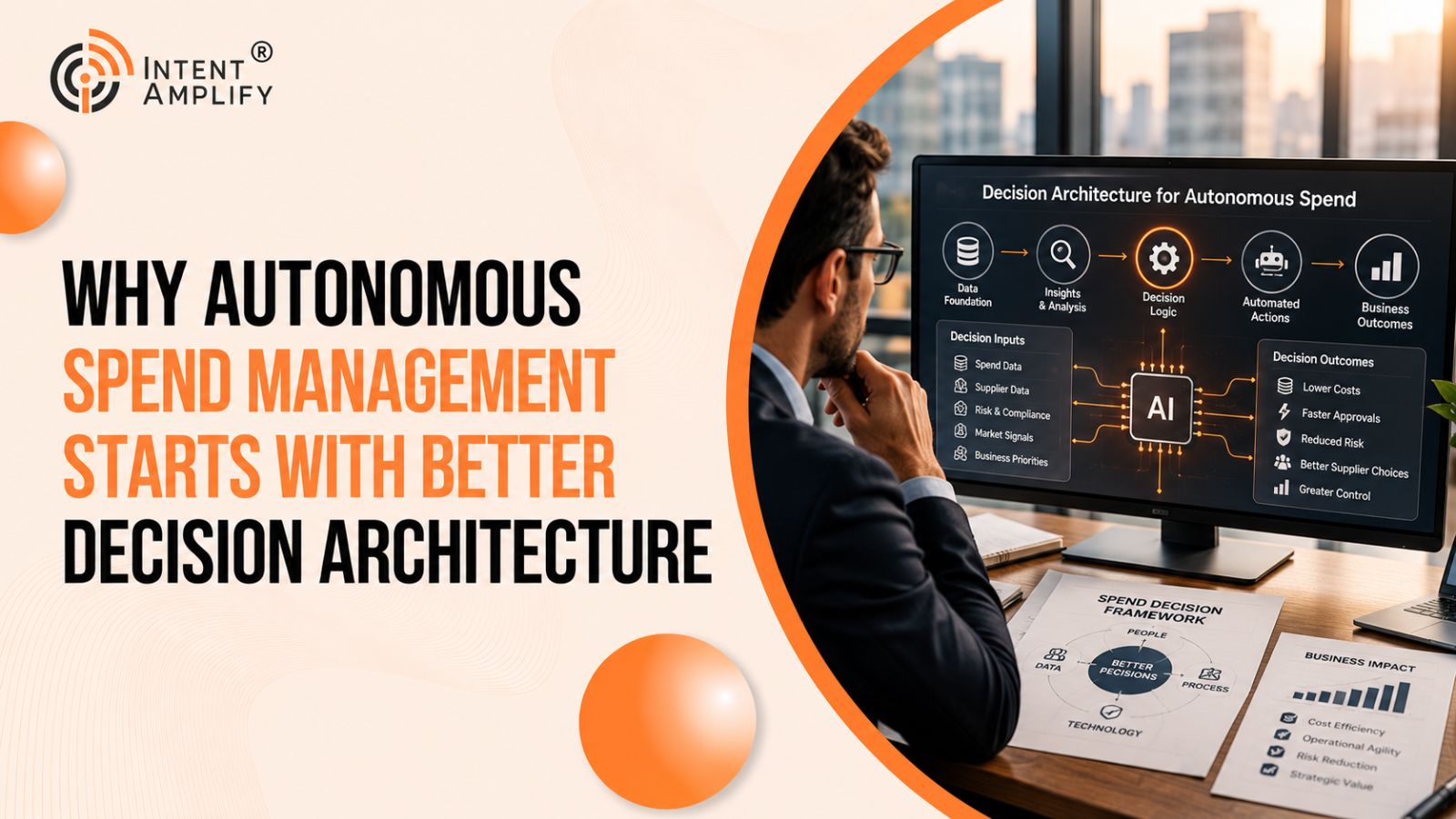
AI expands what a spend platform can assist with. It can help interpret unstructured information, summarize context, classify activity, identify anomalies, surface relevant policies, and prepare recommendations. IBM’s August 2026 analysis of procurement in the AI era highlights the growing need to connect AI adoption with governance, commercial safeguards, and modern operating models. [1]
The important point is that intelligence should reduce the distance between a business question and the information needed to answer it.
Why User Experience Is a Governance Issue
Procurement controls often fail when the approved process is harder than the workaround. If employees cannot easily find the right buying path, supplier, contract, or policy, they may create manual exceptions or engage suppliers outside preferred channels.
A modern spend-management experience therefore has to balance control with usability. Guided buying can steer users toward approved choices without forcing them to understand every procurement rule. Contextual recommendations can surface relevant suppliers or policies. Automated workflow preparation can reduce repetitive form filling. Better search and conversational interfaces can make enterprise information easier to use.
SAP’s June 2026 analysis of procurement’s balancing act highlights AI as a central driver of digital transformation while emphasizing the need to connect automation with measurable procurement value. [2]
This matters because adoption and governance are linked. A process that employees can follow naturally is easier to govern than one that depends on users remembering complex rules.
What Makes Spend Management AI-Native?
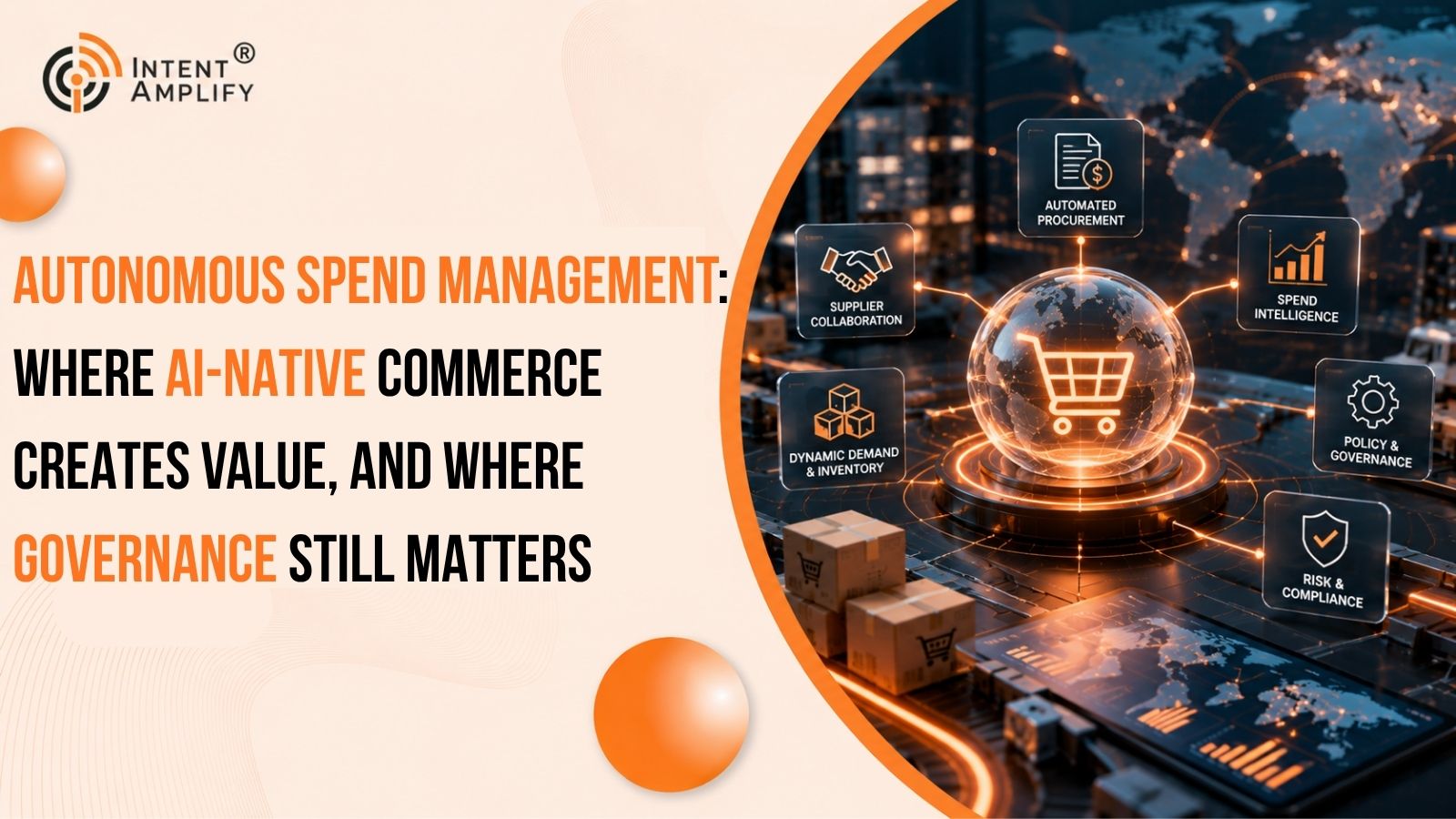
AI-native does not simply mean adding a chatbot to an existing application. A genuinely AI-enabled operating model connects intelligence to the underlying spend context and to the controls that govern action.
- The first requirement is connected data. AI needs access to relevant supplier, contract, transaction, policy, category, and business context. When those sources conflict, recommendations become harder to trust.
- The second is workflow integration. Intelligence is most useful when it appears inside the decision process. A risk signal delivered after a supplier has already been selected has less value than one surfaced during evaluation.
- The third is actionability. AI should help move work forward: summarize evidence, recommend a next step, prepare a workflow, identify an exception, or route an issue to the right owner.
- The fourth is governance. Gartner’s June 2026 CPO priority research emphasizes that AI-first procurement depends on data quality, legacy-system integration, change management, privacy, security, and demonstrable business value. Organizations need to define the actions AI may take, the conditions that require human review, and the controls used to monitor behavior. [3]
- The fifth is measurable value. AI adoption should be tied to a business outcome rather than treated as a feature count.
Human-in-the-Loop Is an Operating Design Choice
As AI systems become more capable, human oversight needs to become more precise, not less. “Human in the loop” is useful only when the organization knows which human, at which point, reviewing which evidence, against which decision rule.
A low-risk recommendation may be suitable for automatic execution within defined limits. A supplier decision involving material concentration risk, sensitive data, regulatory obligations, or significant commercial exposure may require explicit review. The correct control depends on the consequence of the action.
This is where AI-native commerce becomes an operating-model issue. Procurement, finance, legal, IT, risk, and business teams need shared rules for decision authority. Gartner’s April 2026 guidance on when to buy, build, or blend procurement AI reinforces the importance of matching architecture and sourcing choices to governance, integration, and business requirements. [4]
A Beginner’s Readiness Path
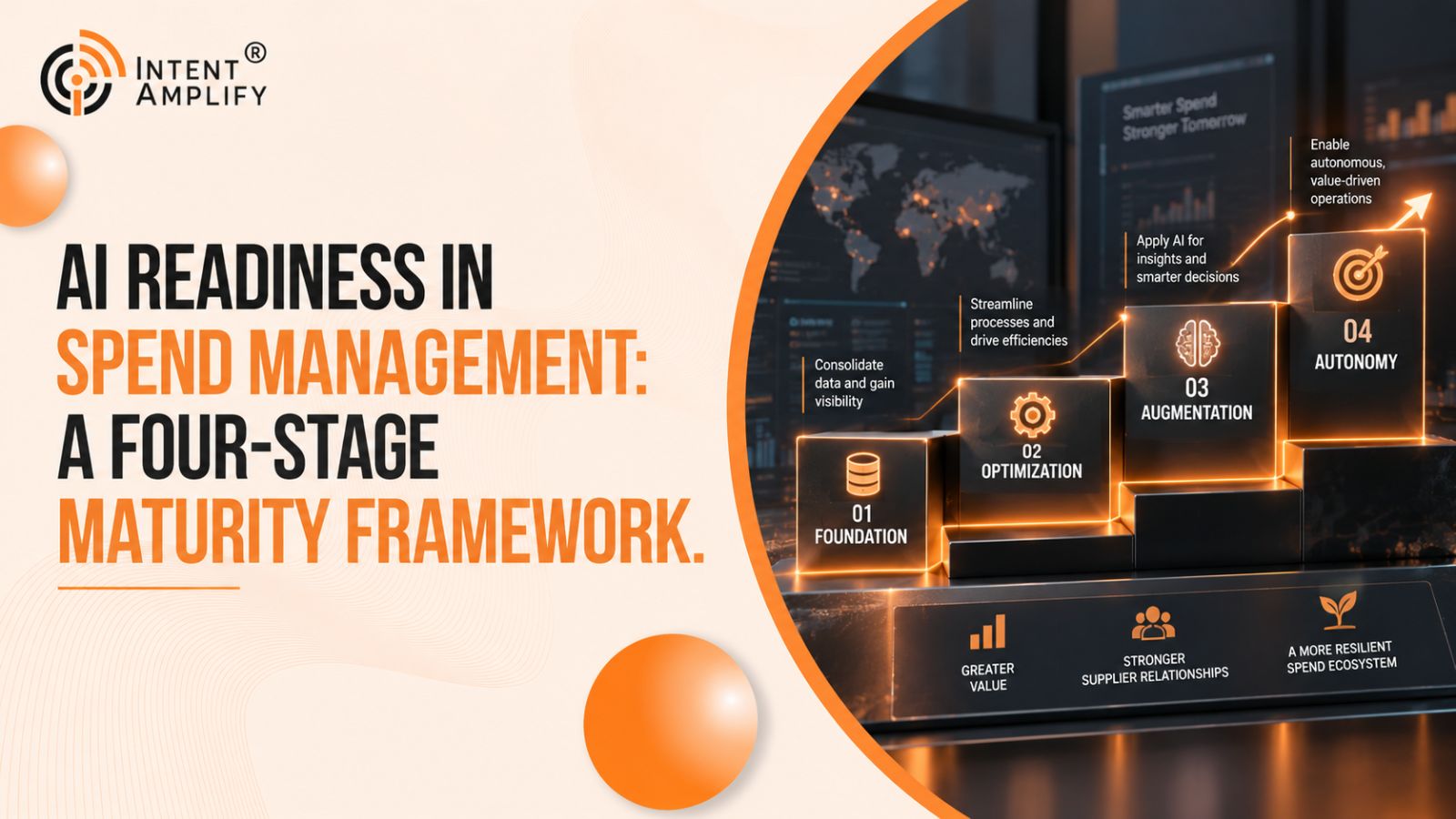
Organizations do not need to begin with autonomous agents. A more practical path starts with the foundations.
- First, establish spend visibility. Determine whether the organization can consistently answer basic questions about suppliers, categories, contracts, transactions, and ownership. If the same supplier appears under multiple records or important spend sits outside managed channels, address those gaps before expecting advanced intelligence to solve them.
- Second, simplify the buying journey. Map where employees encounter uncertainty, repeated data entry, unclear approvals, or disconnected tools. These friction points are candidates for guidance and automation.
- Third, identify high-frequency decisions. Look for activities where teams repeatedly gather information, classify requests, review documents, resolve exceptions, or determine routing. These are often stronger AI candidates than rare, high-risk decisions.
- Fourth, define governance before expanding autonomy. Establish approval thresholds, audit requirements, escalation paths, monitoring, and ownership.
- Fifth, measure outcomes. Gartner’s March 2026 research on ROI metrics for procurement AI argues for a broader value model that connects AI investment to measurable business outcomes rather than technology adoption alone. [5]
What Leaders Should Prioritize Next
Leaders should start by making the buying experience easier to follow. The objective is not to remove controls but to make compliant behavior the path of least resistance.
They should then connect critical context. Supplier information, contracts, policies, risk indicators, and transaction data should be accessible where decisions happen rather than scattered across separate repositories.
Next, they should select AI use cases with clear operating measures. Faster exception handling, reduced manual review, improved contract visibility, higher use of approved channels, or better decision turnaround are examples of outcomes that can be observed and governed.
Finally, leaders should treat autonomy as earned. Expand automated action only after the underlying data, workflows, controls, and monitoring demonstrate that the system can operate reliably within defined boundaries.
Strategic Takeaway
The future of spend management is not defined by removing people from purchasing decisions. It is defined by giving people better context, reducing unnecessary work, and allowing automation to handle appropriate tasks within explicit controls.
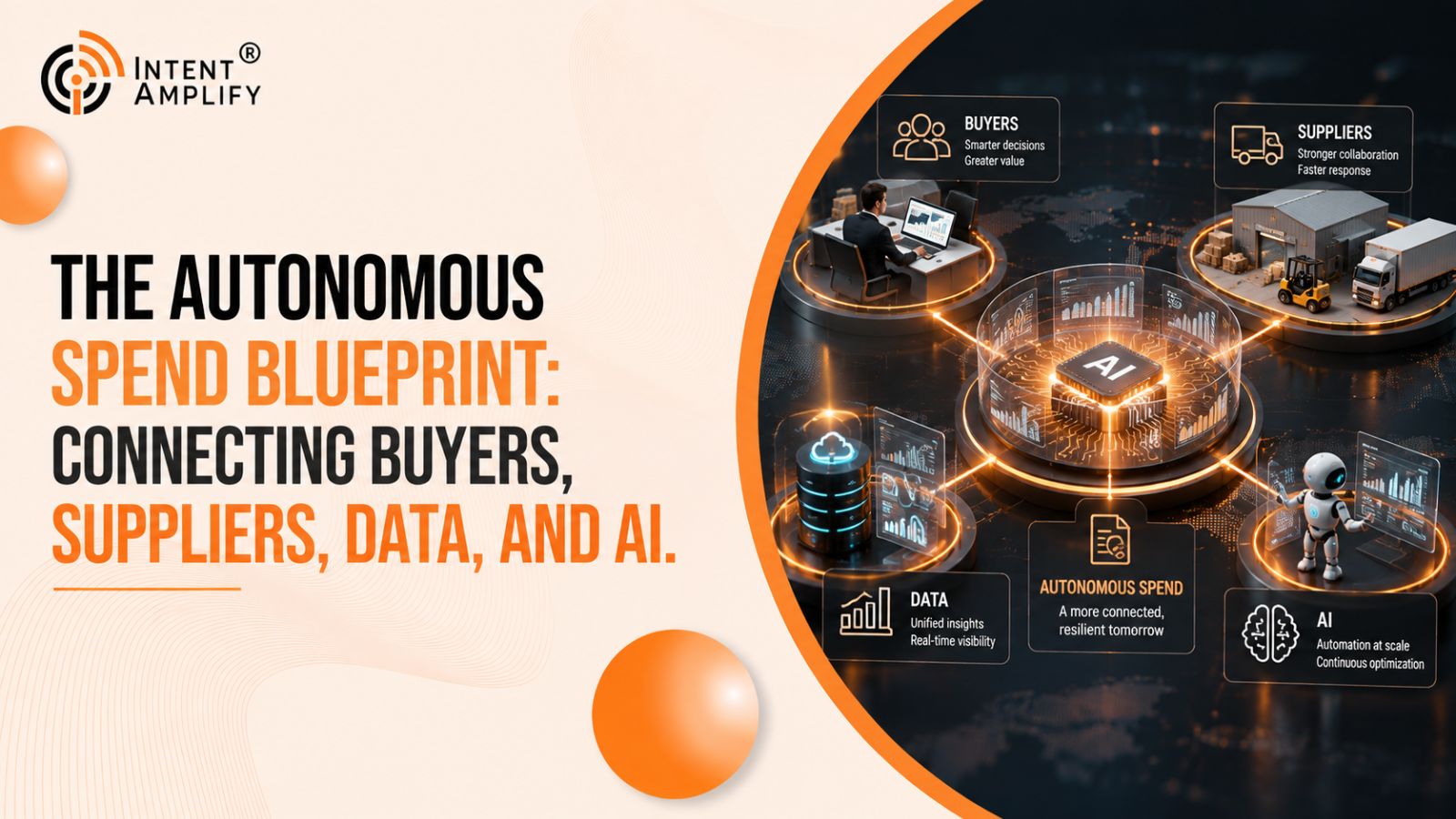
For organizations beginning the journey, AI-native commerce should therefore be approached as a progression: connect the data, simplify the experience, embed intelligence, govern action, and measure value. That creates a stronger foundation for more autonomous capabilities later.
Explore the e-book: Simplified Expense Management: The Definitive Guide for Beginners
References
1. IBM (2026) Why Financial Institutions Face a Procurement Paradox in the AI Era. 17 August 2026. Available at: https://www.ibm.com/think/insights/financial-institutions-face-procurement-paradox
2. SAP (2026) Procurement’s Balancing Act: Control Costs, Adopt AI, Prove Value. June 2026. Available at: https://news.sap.com/2026/06/procurement-balancing-act-cut-costs-adopt-ai-prove-value/
3. Gartner (2026) 2026 Chief Procurement Officer Priority: Reinvent Procurement for the AI-First Era. 30 June 2026. Available at: https://www.gartner.com/en/documents/8078065
4. Gartner (2026) When to Buy, Build or Blend AI for Procurement. 23 April 2026. Available at: https://www.gartner.com/en/documents/7761221
5. Gartner (2026) Reinvent ROI Value Metrics for Procurement’s AI Investments. 18 March 2026. Available at: https://www.gartner.com/en/documents/7607765