
The Spend Problem Is No Longer Just a Process Problem
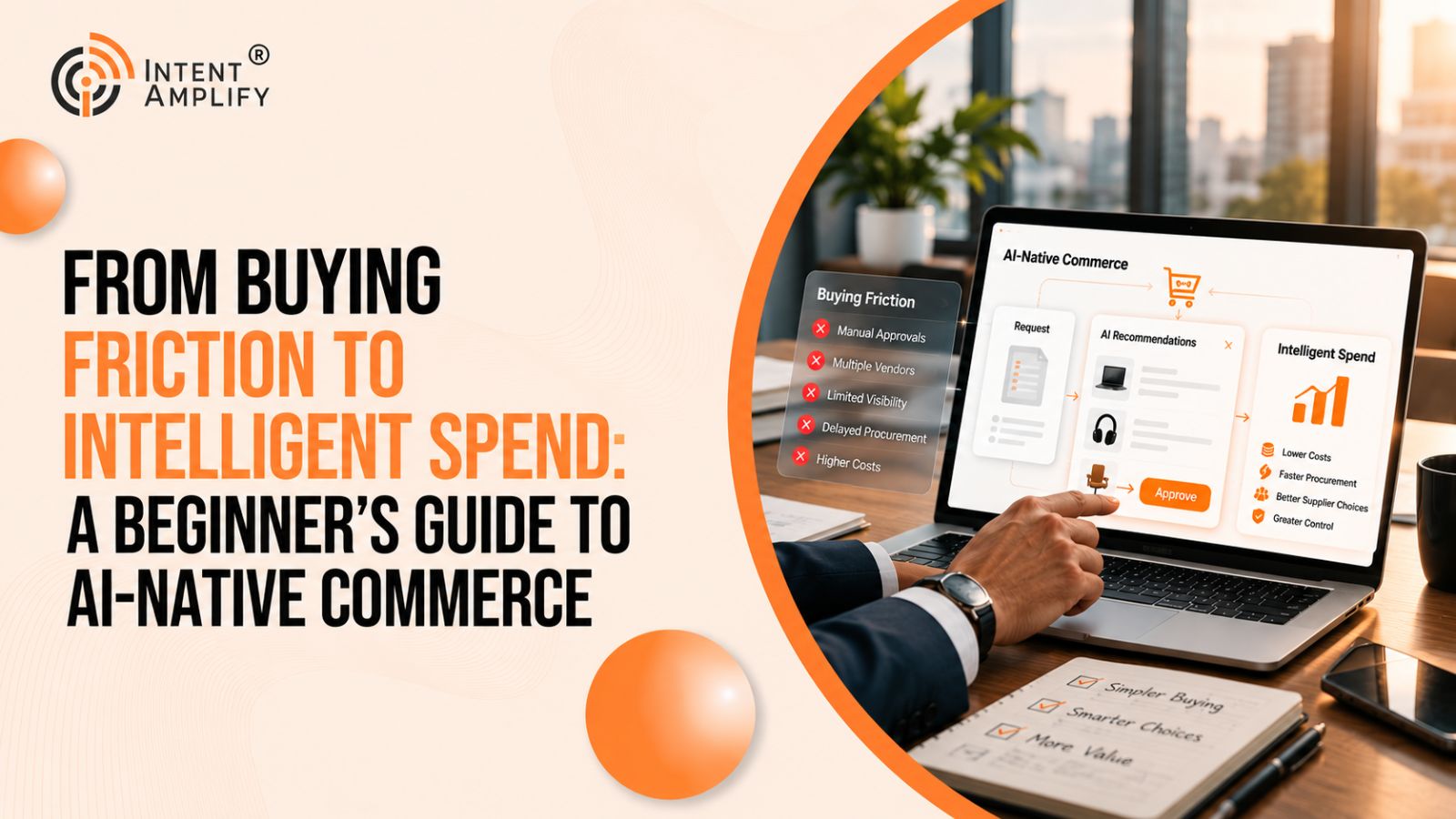
Spend management has traditionally been framed around control: standardize purchasing, improve compliance, consolidate suppliers, and give finance greater visibility into where money goes. Those goals still matter. What has changed is the operating environment around them. Business teams now make purchasing decisions across more systems, more suppliers, more categories, and faster planning cycles. The result is a growing gap between having procurement workflows and having a coherent decision system for spend.
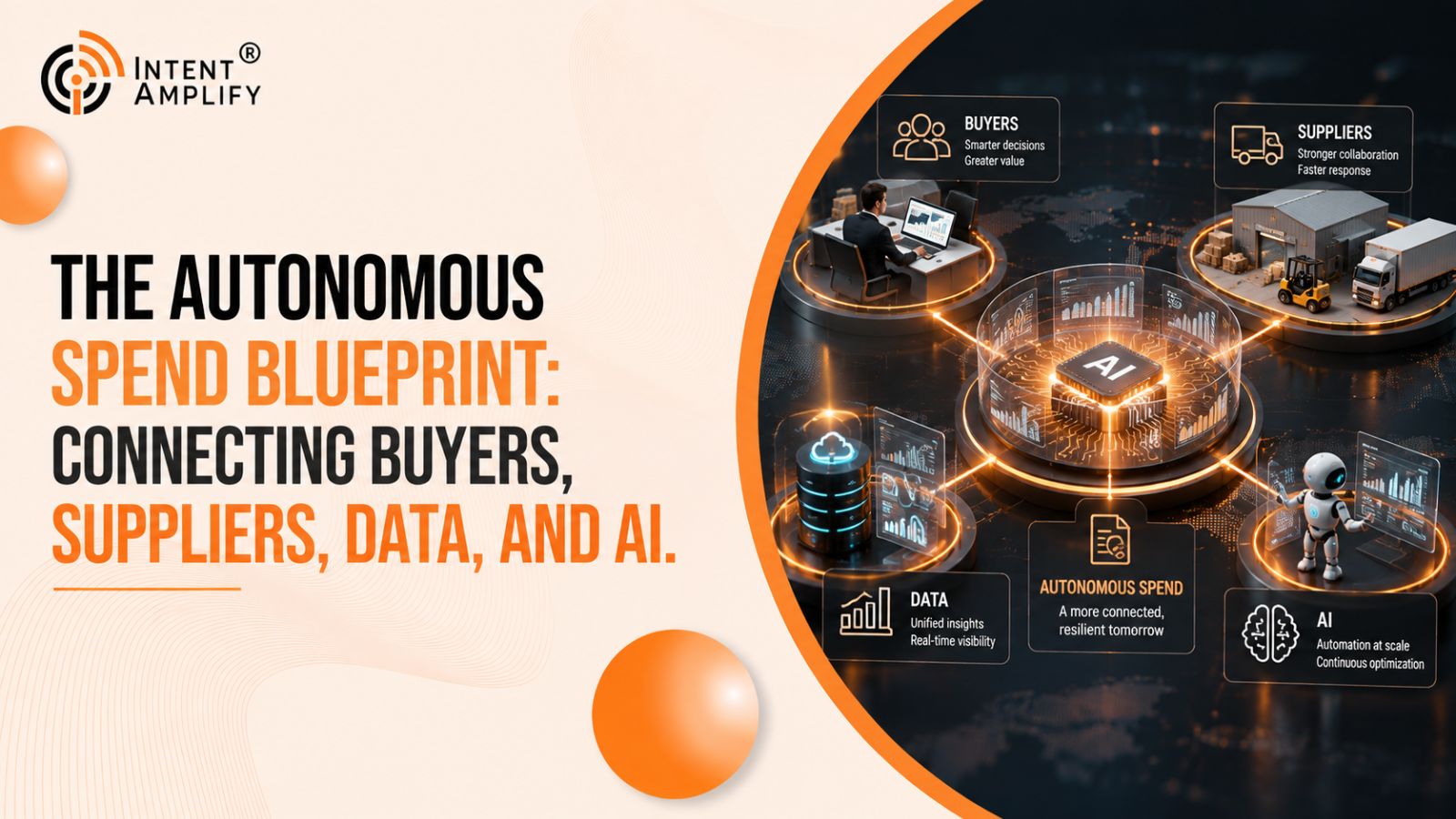
For leaders beginning their spend-management journey, this distinction is important. A modern spend program is not simply a digitized purchasing process. It is an operating model that connects demand, supplier information, contracts, approvals, transactions, risk signals, and financial priorities so that decisions can be made with better context.
IBM’s June 2026 analysis of modern indirect sourcing highlights how fragmented spend, data, and operating practices can limit procurement’s strategic impact. The practical lesson is broader than sourcing: value appears when intelligence is embedded into a business decision rather than added as another isolated tool. [1]
Why Fragmented Workflows Create Decision Friction
Many organizations already have systems for ERP, procurement, expenses, contracts, supplier management, and analytics. Yet a collection of systems does not automatically create a unified view of spend.
Fragmentation shows up in familiar ways. Employees may not know which buying channel to use. Procurement teams may discover demand after a purchase is already underway. Finance may see committed spend later than it would like. Supplier information may live in multiple records. Contract terms may not be visible at the point where a user makes a purchasing decision. Approvals can become procedural checkpoints instead of informed decisions.
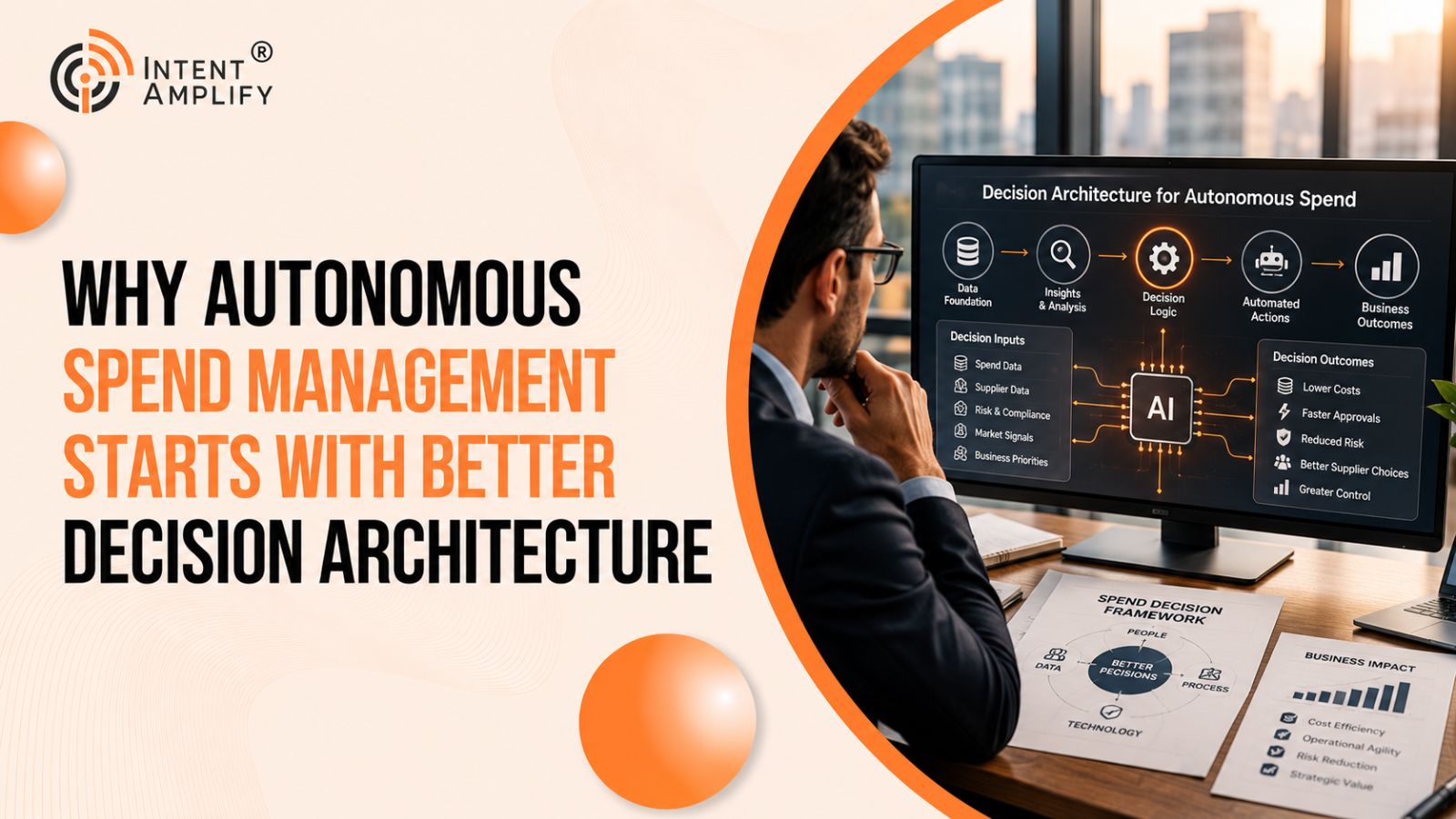
This is why spend management should be understood as decision architecture. The objective is to connect the information, policies, people, and controls that shape a purchasing decision from initial demand through payment and supplier performance.
SAP’s March 2026 introduction of its next-generation SAP Ariba emphasized intelligent procurement, embedded AI, connected processes, and a redesigned experience. Regardless of platform choice, the market direction is clear: procurement technology is moving toward systems that combine workflow with context and intelligence. [2]
From Workflow Automation to AI-Native Spend Management
Traditional automation is valuable when the path is known in advance: route an approval, match an invoice, trigger a notification, or enforce a defined policy. AI-native spend management extends that model by helping interpret context, surface exceptions, recommend actions, and support decisions that cannot be reduced to a single static rule.
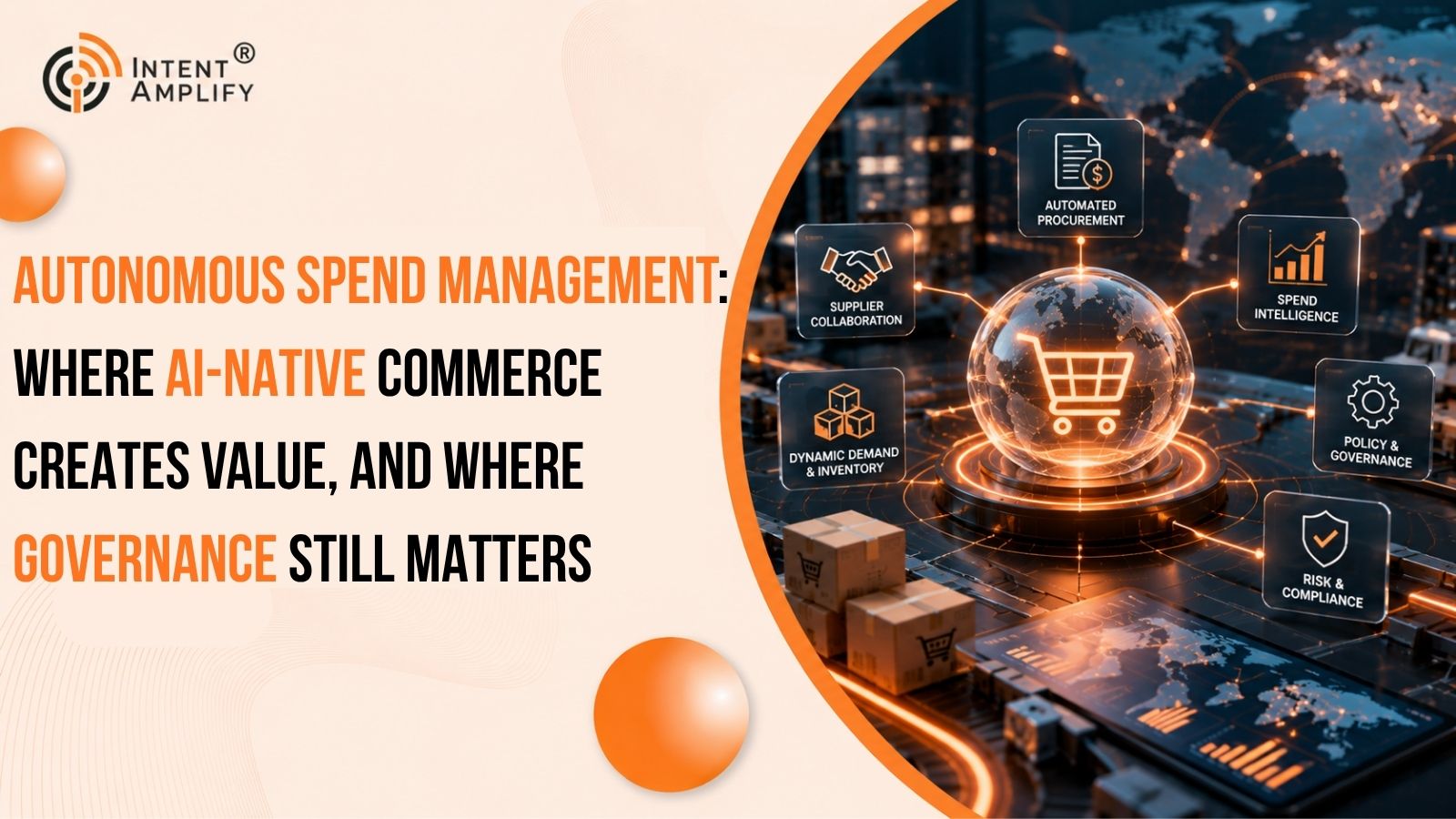
That does not mean organizations should automate every decision. Gartner’s May 2026 research on joint governance for AI agents stresses the importance of coordinating sourcing and architecture as agentic systems introduce commercial, operational, and dependency risks. Agentic capabilities can increase the speed and scope of procurement activity, but they also raise the importance of defining where a system can act, where a human must review, and how outcomes are monitored. [3]
For beginners, the most useful mental model is therefore not “AI replaces procurement work.” It is “AI changes how procurement work is prepared, prioritized, and governed.” A system may identify an exception, assemble supporting context, recommend a supplier action, or initiate a workflow. The business still needs clear accountability for the decision.
Five Capabilities Leaders Should Understand First
- The first capability is spend visibility. Leaders need a reliable view of what is being purchased, by whom, from which suppliers, under what commercial terms, and against which budgets or business priorities. Visibility is foundational because AI cannot compensate for inconsistent definitions, duplicate records, or incomplete transaction context.
- The second is guided buying. Employees should be able to move from business need to an approved buying path without becoming experts in procurement policy. Effective guidance reduces friction while improving compliance because the system brings preferred suppliers, policies, contracts, and approvals into the user’s workflow.
- The third is supplier intelligence. Supplier management increasingly requires more than a static vendor record. Teams need context around performance, risk, contracts, dependencies, and business criticality. The goal is not to collect every possible signal; it is to surface the information that changes a sourcing, renewal, allocation, or risk decision.
- The fourth is intelligent automation. Repetitive work such as classification, document review, exception triage, and workflow preparation can create substantial operational drag. AI can help reduce that burden when the process has reliable inputs, defined controls, and measurable outcomes.
- The fifth is governance. AI-native systems need decision rights, approval thresholds, auditability, escalation rules, and human oversight. Gartner’s August 2026 research on AI-ready data governance reinforces that scalable AI adoption depends on governance models that actively enable trusted AI while maintaining appropriate controls. [4]
Readiness Comes Before Autonomy
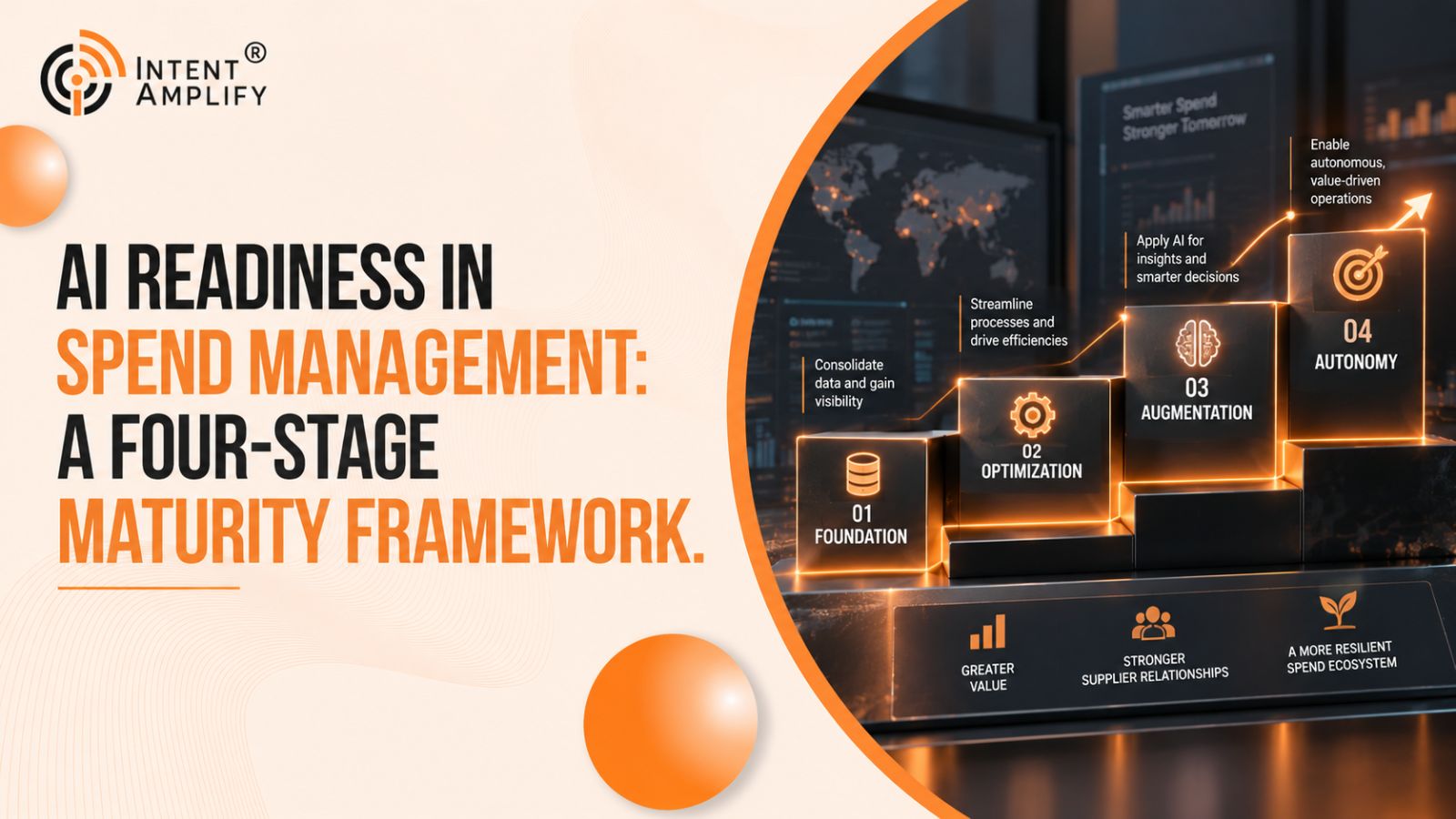
Autonomous spend management should be treated as a progression rather than a switch. Organizations can begin by strengthening the foundations that make more advanced automation trustworthy.
Start with data quality. Supplier records, category structures, contracts, purchase orders, invoices, and policy definitions need sufficient consistency for systems to interpret them correctly. Next, map high-value decisions and exceptions. Instead of asking where AI can be inserted, identify where teams repeatedly lose time, miss context, or escalate preventable issues.
Then define control boundaries. Specify which activities can be automated, which require review, and which should remain explicitly human-led. Finally, measure business outcomes rather than adoption alone. A successful use case should improve something observable: cycle time, policy adherence, exception resolution, decision quality, working-capital visibility, supplier performance, or another agreed operating KPI.
Gartner’s March 2026 research on procurement AI value argues for connecting AI initiatives to sources of procurement value rather than treating AI adoption as an end in itself. That principle is especially important for organizations early in the journey. [5]
What Leaders Should Do Next
- Begin with a decision inventory. Identify the recurring spend decisions that have meaningful financial, operational, or risk consequences. For each one, document the owner, required information, current workflow, approval threshold, common exceptions, and desired outcome.
- Second, reduce fragmentation before adding complexity. Consolidate definitions, remove duplicate sources of truth where practical, and make critical supplier, contract, and policy context available at the point of decision.
- Third, select AI use cases where the value can be tested. Prioritize areas where teams handle high volumes of repetitive analysis, document review, exception triage, or information gathering. Establish a baseline before implementation so that improvement can be evaluated against an agreed measure.
- Fourth, design human oversight intentionally. Human-in-the-loop should not be a vague promise. Define who reviews which recommendations, what evidence they receive, when an action can proceed automatically, and how exceptions are escalated.
- Finally, treat adoption as operating-model change. Procurement, finance, IT, legal, risk, and business stakeholders may all influence spend decisions. Sustainable transformation requires shared definitions of accountability rather than a technology rollout owned by one function.
Strategic Takeaway
Spend management is becoming less about moving transactions through a sequence of steps and more about improving the quality, speed, and control of business decisions. AI-native capabilities can strengthen that model, but only when they are built on reliable data, connected workflows, explicit governance, and measurable value.
For leaders starting from the fundamentals, the most useful question is not how quickly the organization can reach autonomy. It is whether each stage of automation produces better decisions with appropriate control. That is the foundation on which autonomous spend management can scale.
Explore the e-book: Simplified Expense Management: The Definitive Guide for Beginners
References
1. IBM (2026) From Operational Support to Strategic Impact: How Indirect Sourcing Defines Modern Procurement. 23 June 2026. Available at: https://www.ibm.com/think/insights/how-indirect-sourcing-defines-modern-procurement
2. SAP (2026) Next-Gen SAP Ariba Is Here: The Foundation for Intelligent Procurement. 12 March 2026. Available at: https://news.sap.com/2026/03/next-gen-sap-ariba-foundation-for-intelligent-procurement/
3. Gartner (2026) AI Agents Require Joint Governance Between Sourcing and Architecture. 14 May 2026. Available at: https://www.gartner.com/en/documents/7860981
4. Gartner (2026) How to Frame the Shift From Traditional Data Governance to AI-Ready Data Governance. 6 August 2026. Available at: https://www.gartner.com/en/documents/8233493
5. Gartner (2026) Unlocking New Sources of Procurement Value With AI. 26 March 2026. Available at: https://www.gartner.com/en/documents/7639829