
Access Control Is Becoming a Strategic Risk Signal
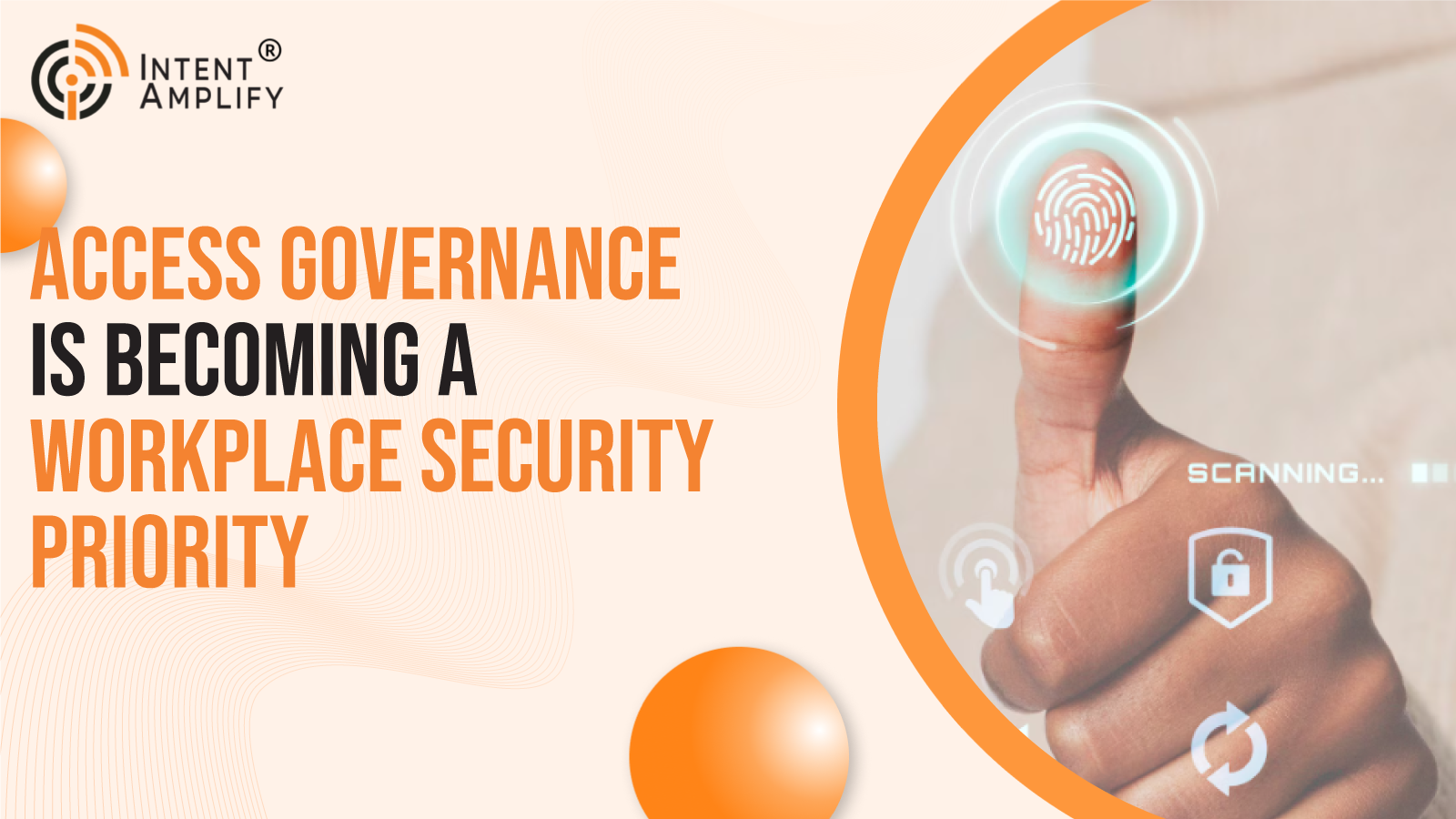
Access control used to be discussed mainly as a door management function. That framing is too narrow for modern enterprises. Badge activity, visitor approvals, restricted-area entry, and access exceptions can all indicate risk, compliance exposure, or process weakness.
The strategic question is whether access decisions reflect the current identity, role, location, and risk status of the person requesting entry. If the answer is no, the organization may be operating with preventable exposure.
1. Manual Provisioning Creates Governance Drift
Manual access provisioning often leaves gaps when employees change roles, contractors finish projects, or temporary visitors need limited access. Even small delays can create meaningful exposure in regulated or high-sensitivity environments.
Cloud-connected access control can support more consistent provisioning, faster updates, and stronger oversight when integrated with identity and HR workflows.
2. Visitor and Contractor Access Requires Better Auditability
Visitor and contractor workflows are often where physical access governance becomes weakest. Approval, escorting, expiration, location limits, and evidence history should be reviewable after the fact.
A mature access strategy documents who approved access, what was granted, how long it lasted, and whether access aligned with policy.
3. Access Events Can Strengthen Investigation Context
Access logs become more valuable when they are connected to video evidence and incident workflows. If a restricted door opens during an alert window, investigators need quick access to the relevant context.
This does not mean every access event is suspicious. It means access data should be available to support proportionate, accountable investigation.
4. Workplace Security Strategy Needs Continuous Review
Access rules should not be reviewed only during audits or after incidents. Organizations should continuously evaluate exceptions, stale privileges, high-risk locations, and policy drift across sites.
The future of access control is continuous governance: fewer blind spots, clearer accountability, and stronger linkage between physical and digital identity.
Intent Amplify Perspective
Intent Amplify views this topic as an enterprise governance and resilience decision, not only a technology refresh. For CISOs, CSOs, infrastructure leaders, and physical security teams, the strategic value comes from connecting visibility, identity, evidence, AI-assisted investigation, and response workflows into a more accountable operating model.
The highest-quality buying process will define the operating model before platform selection. That means clarifying ownership, risk priorities, access rules, retention policy, investigation procedures, integration needs, and measurable outcomes before a deployment is treated as ready.
Intent Amplify Physical Access Governance Framework
Intent Amplify recommends that enterprises evaluate this campaign theme through a governance and resilience framework rather than a device checklist. The framework below translates executive priorities into practical review pillars.
|
Current Priority |
Branded Framework Pillar |
|
Connect access rights to identity lifecycle changes |
Pillar 1: Lifecycle Alignment |
|
Govern visitor, contractor, and temporary access |
Pillar 2: Temporary Access Control |
|
Correlate access events with video and incidents |
Pillar 3: Investigation Context |
|
Review exceptions and stale privileges continuously |
Pillar 4: Control Hygiene |
|
Standardize access policy across locations |
Pillar 5: Enterprise Governance |
Intent Amplify Research Desk Observation
The next maturity stage will belong to organizations that connect physical security data with cloud operations, identity context, incident response, and governance controls. Teams that continue to manage cameras, access, visitors, and evidence as separate functions are likely to face slower investigations, weaker auditability, and preventable cyber-physical exposure.
The practical opportunity is to turn modernization into a disciplined readiness motion: assess the current environment, identify risk and friction, define governance, validate integration needs, and prioritize rollout by business impact.
Executive Readiness Scorecard
|
Assessment Area |
1 = Low Readiness |
2 = Developing Readiness |
3 = High Readiness |
|
Lifecycle alignment |
Access changes lag behind employee status. |
Some roles or sites sync with identity data. |
Access updates follow identity, HR, and role changes. |
|
Visitor controls |
Visitor access is locally managed. |
Visitor records exist but expire inconsistently. |
Visitor approvals, areas, expiry, and logs are governed. |
|
Investigation context |
Access logs and video are separate. |
Investigators can compare records manually. |
Access events and video evidence are connected. |
|
Exception management |
Stale privileges are reviewed ad hoc. |
Periodic reviews exist. |
Exceptions and stale privileges are continuously monitored. |
Turn Physical Security Modernization Into an Enterprise Governance Platform
This content is designed to support appointment generation by moving executive readers from awareness to assessment. The recommended follow-up is a readiness conversation that reviews current-state architecture, site risk, access governance, AI investigation maturity, evidence handling, and response workflows.
Request a Physical Access Governance Assessment
References
[1] Gartner. "Hype Cycle for Cyber-Physical Systems Security, 2025." Published July 15, 2025. https://www.gartner.com/en/documents/6723934
[2] Microsoft. "Microsoft Digital Defense Report 2025: Safeguarding Trust in the AI Era." Published 2025. https://cdn-dynmedia-1.microsoft.com/is/content/microsoftcorp/microsoft/bade/documents/products-and-services/en-us/security/Microsoft-Digital-Defense-Report-2025-v5-21Nov25.pdf
[3] Gartner. "Gartner Forecasts Worldwide End-User Spending on Information Security to Total $213 Billion in 2025." Published July 29, 2025. https://www.gartner.com/en/newsroom/press-releases/2025-07-29-gartner-forecasts-worldwide-end-user-spending-on-information-security-to-total-213-billion-us-dollars-in-2025
[4] Accenture. "State of Cybersecurity Resilience 2025." Published June 25, 2025. https://www.accenture.com/content/dam/accenture/final/accenture-com/document-3/State-of-Cybersecurity-report.pdf
[5] McKinsey & Company. "Deploying Agentic AI with Safety and Security: A Playbook for Technology Leaders." Published October 16, 2025. https://www.mckinsey.com/capabilities/risk-and-resilience/our-insights/deploying-agentic-ai-with-safety-and-security-a-playbook-for-technology-leaders