


Intent Amplify editorial team.

12 posts on this page
A practical peak trading field guide with ten operating plays to help retail leaders protect customer experience, staff capacity, fulfillment, recovery, and operational control during periods of high demand.
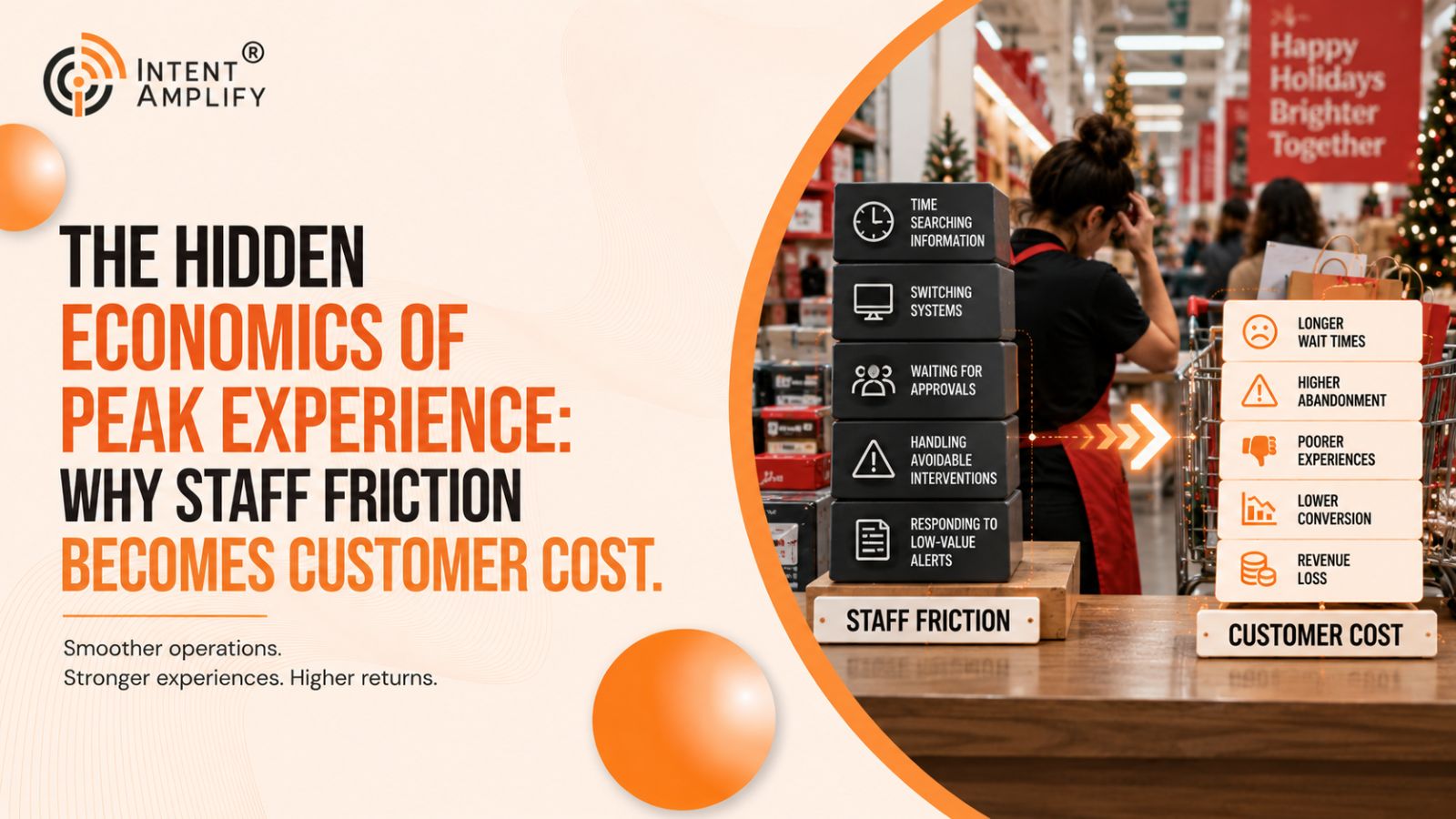
Explore how staff friction during peak retail periods consumes operating capacity, increases decision time, and can become a customer-facing cost across service, fulfillment, and recovery workflows.
A practical evidence map for retail leaders to identify where holiday peak friction emerges across inventory, fulfillment, store operations, technology, staff workload, and customer experience, and respond with clearer evidence and recovery paths.
A six-control framework for peak retail operations that connects customer promises, staff workload, store fulfillment, decision rights, exceptions, and measurable outcomes.
Peak retail performance depends on aligning customer experience and loss prevention within one decision model. Clear risk boundaries, decision rights, and executable controls help retailers keep routine service fast while managing material exceptions appropriately.
Peak retail resilience depends on giving store teams clear authority to act. Defined decision rights, trusted evidence, and explicit escalation boundaries help reduce delays, protect manager capacity, and improve customer experience under pressure.
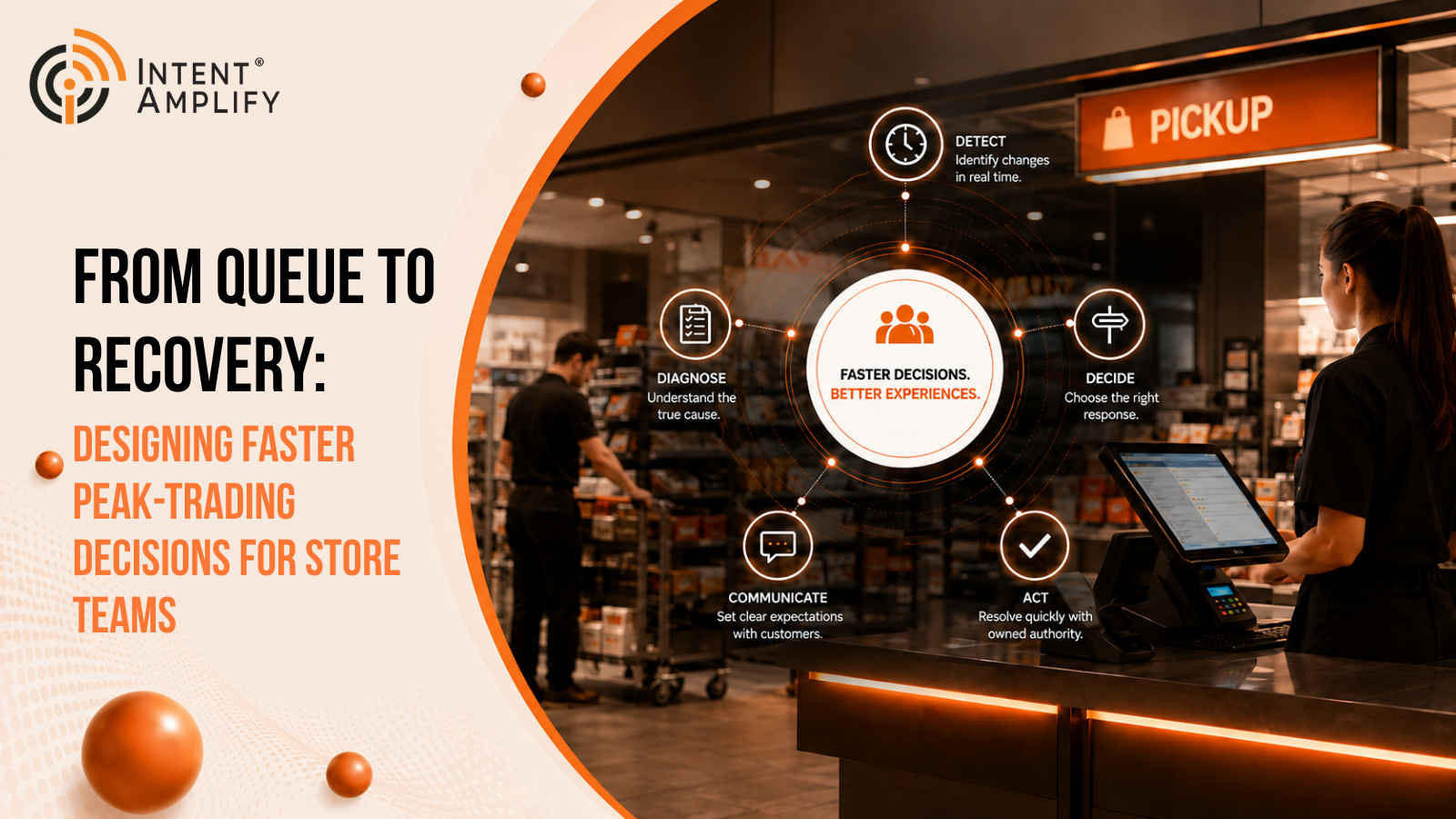
Peak-season resilience depends on how quickly store teams can detect problems, make the right decisions, and recover. Clear authority, trusted evidence, staff capacity, and intentional automation can help reduce customer-visible friction.
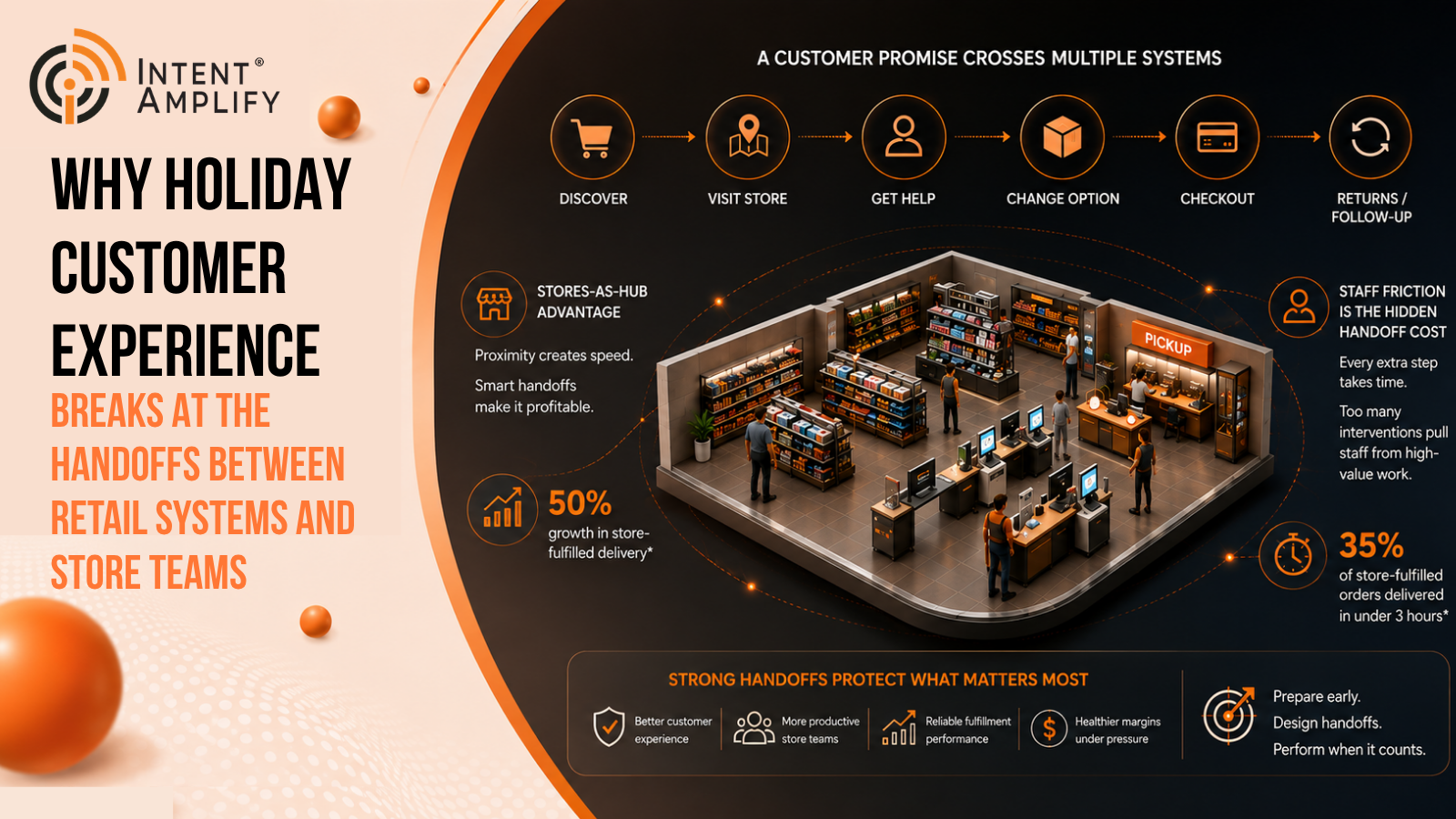
Holiday retail experiences often break down at handoffs between systems, teams, and channels. Better preparation, clearer ownership, and intentional automation can reduce friction and improve peak-season execution.
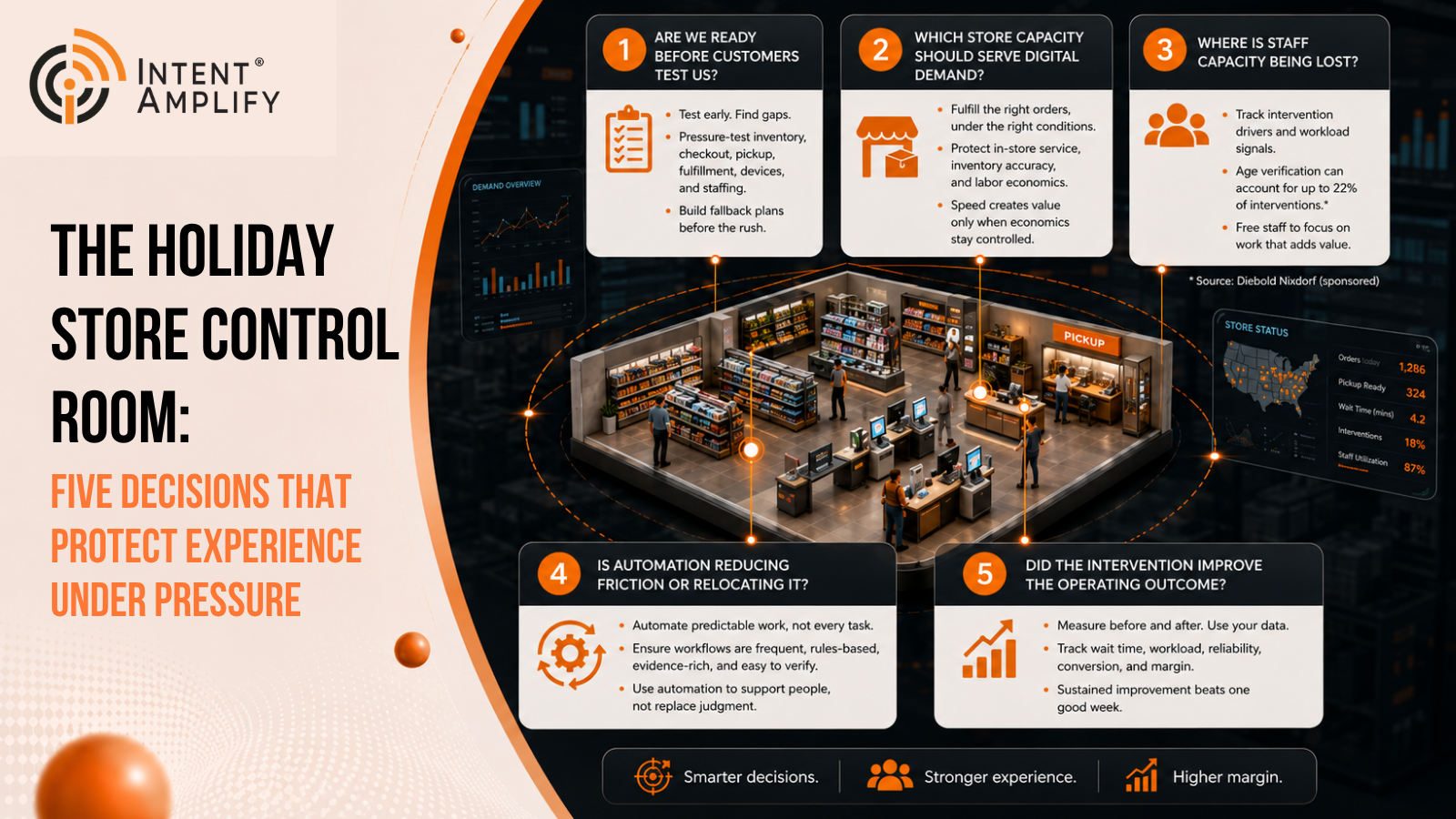
Discover five critical holiday retail decisions that help protect customer experience, staff capacity, fulfillment performance, and margins during peak trading.
Cost per unit can hide changes in warehouse workload complexity. Learn how labor standards, workload context, and cost-to-serve help leaders separate execution issues from harder work.
A practical framework for distribution leaders to classify indirect labor, uncover unproductive paid time, trace process friction, and connect labor variance to cost, throughput, and margin decisions.
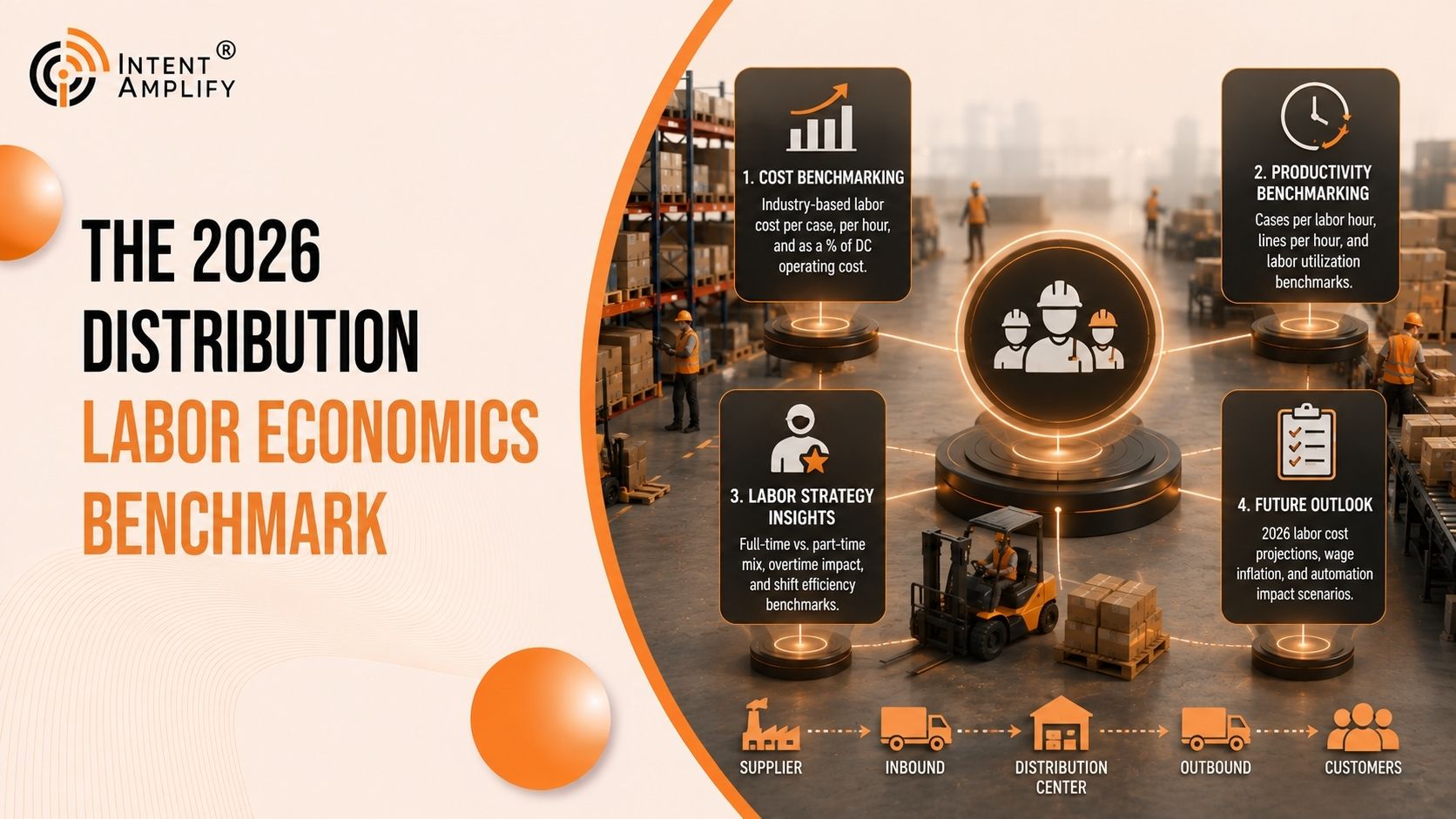
A practical 2026 benchmark for distribution leaders to evaluate labor cost, productivity, overtime, indirect time, cost-to-serve, and multi-site performance before making staffing or cost-cutting decisions.
Powered by Intent Amplify
Find the right solution, explore resources and plan your next step. Answers quote approved website content and link to the source. Nothing here is a qualification or a commercial commitment.